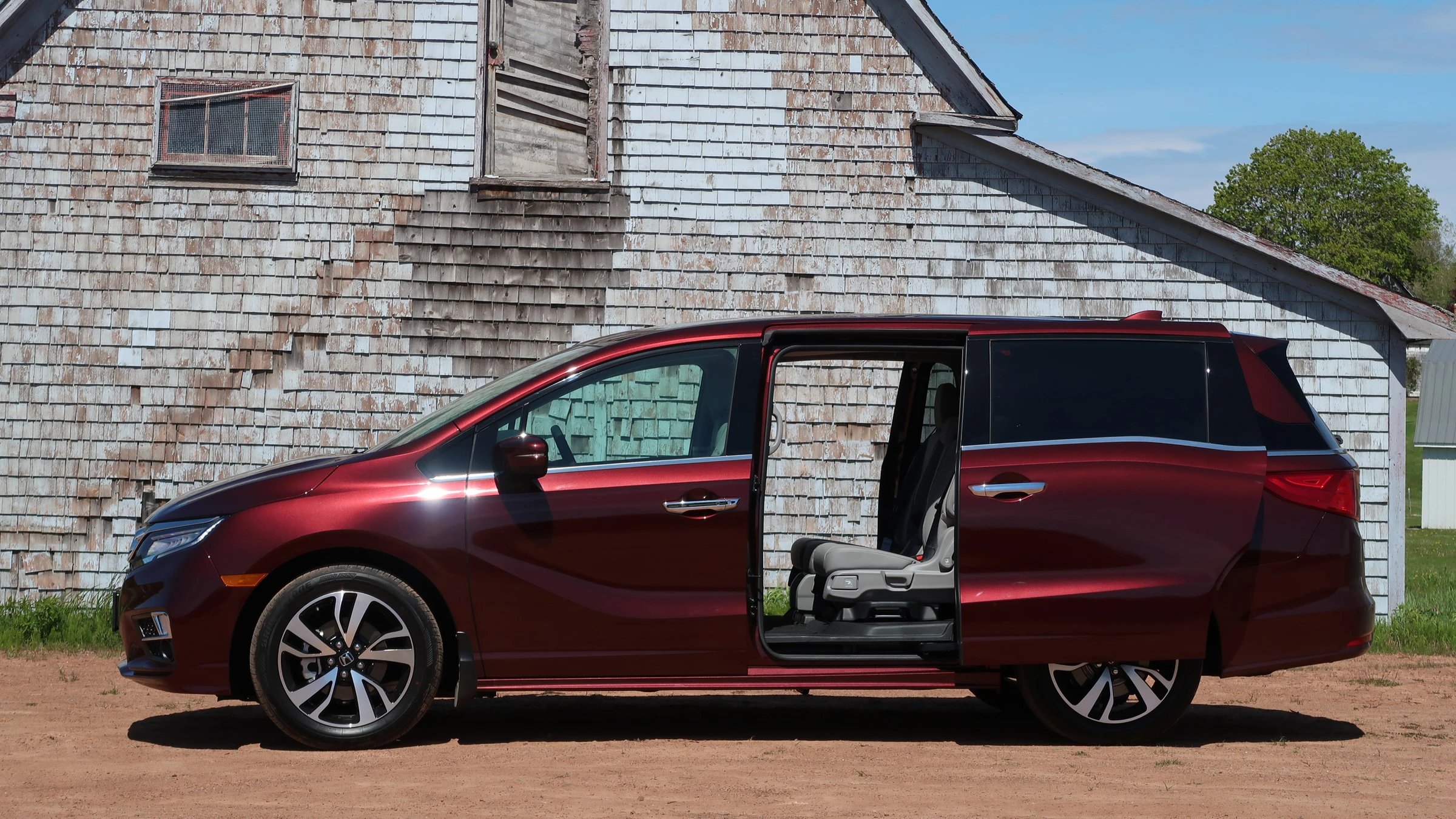
A minivan door should not turn school pickup into a parking-lot standoff. Yet that is the exact frustration many U.S. owners describe when Honda Odyssey power doors beep, reverse, refuse to latch, or stop halfway like they changed their mind. Sliding Door Failure feels worse than a normal repair because the door carries kids, groceries, pets, and daily family pressure. When it fails, the whole van feels less trustworthy.
The problem is not always one bad part. A Honda Odyssey power door depends on latches, cables, rollers, sensors, switches, control modules, battery health, and clean tracks all working together. One weak link can make the system act dramatic. For owners comparing repair notes, recall records, and service costs, a reliable automotive ownership resource can help turn scattered symptoms into a smarter next step.
Honda has issued past Odyssey sliding-door recalls, including a 2018 recall tied to rear latch concerns on 2018–2019 models and a 2020 recall involving water entering sliding-door outer handle cable assemblies on certain 2018–2020 Odyssey vehicles. Those records matter because some “electrical” complaints begin with a mechanical latch or cable problem that tricks the electronics into reacting.
Why Sliding Door Failure Feels Like More Than a Convenience Problem
The sliding door is not a luxury feature on an Odyssey. It is the family access point. When it hesitates, beeps, or refuses to stay closed, the issue moves from annoyance to safety concern fast. A sedan window motor can wait a week. A minivan door that carries children cannot.
When Power Convenience Turns Into Family Stress
A Honda Odyssey power door failure often shows up during the worst moment of the day. The driver has one child climbing in, another holding a backpack, and traffic waiting behind the van. Then the door reverses, stops, or throws a warning chime.
That timing shapes how owners judge the repair. A door that fails in a quiet driveway feels manageable. The same door failing outside a grocery store in January feels like the whole vehicle betrayed its purpose. That emotional weight is why these complaints travel so fast in owner groups.
The counterintuitive part is that the motor is not always the villain. Many owners assume the powered unit burned out because the door stopped moving. A weak latch signal, sticky roller, dirty track, stretched cable, or low battery can create the same behavior.
Why Recalls Matter Before Guessing at Repairs
Recall history should be the first checkpoint, not the last. Honda’s 2018 Odyssey sliding-door latch recall described a condition where a stuck rear latch mechanism could keep the door from fully closing, raising the risk that it could open unexpectedly.
The 2020 recall added another layer. Water could enter the sliding-door outer handle cable assembly due to poor sealing, and in cold weather the cable could freeze, which could prevent secure latching. Consumer Reports also described the repair as replacing the power sliding-door outer handle cables at no cost for affected vehicles.
That does not mean every Odyssey with a bad door has an open recall. It means owners should enter the VIN at the NHTSA recall lookup or call a Honda dealer before paying for parts. A paid repair on a covered defect is a painful way to learn the paperwork existed.
Electrical Clues Owners Should Not Ignore
A door that sounds electrical may still be reacting to resistance, misalignment, or latch confusion. The system reads signals. If one signal looks wrong, the control unit protects the door by stopping movement or reversing it. That protective behavior often feels like failure from the driver’s seat.
Beeping, Warning Lights, and Partial Movement
A repeated beep while driving can mean the van thinks a sliding door is not fully latched. Honda service material for earlier Odyssey complaints has pointed to door-latch related causes when the beeper sounds even though the door appears closed.
Partial movement tells a different story. If the door opens eight inches and stops, the system may be seeing resistance in the track, a roller issue, a cable bind, or a position sensor mismatch. A sliding door motor can fail, but replacing it before checking the track and latch can turn a repair bill into a guessing game.
Owners should write down the exact behavior before visiting the shop. Does it fail from the key fob, dashboard switch, handle, or all three? Does it happen only in rain, freezing weather, or after sitting overnight? Those details save money because they narrow the fault path.
Battery Voltage Can Make a Good Door Act Bad
A weak battery can make a minivan electrical issue look bigger than it is. Power sliding doors pull more current than many owners expect, and a tired battery can confuse modules before it fully dies. The van may still start, yet the door system may act unstable.
This is where many families get trapped. They replace a switch, then a latch, then a motor, while the battery or charging system was shaky from the start. A voltage test under load costs far less than a powered sliding-door assembly.
A smart diagnosis starts with the simple checks. Battery condition, fuses, track cleanliness, roller movement, latch engagement, and switch response all deserve attention before the repair jumps to expensive parts. The boring tests often find the real problem.
What Usually Fails Inside the Door System
A sliding door works like a small machine hidden inside a family vehicle. It has force, timing, position feedback, and safety logic. That is why one symptom can point to several causes. Good repair work separates the mechanical side from the electrical side before ordering parts.
Latches, Cables, and Rollers Carry the Real Load
The Odyssey door latch does more than hold the door shut. It tells the van whether the door is safely closed. If the latch sticks or sends a poor signal, the computer may warn the driver even when the door looks seated from outside.
Cables and rollers carry the motion burden. A worn roller can make the door drag. A cable can bind. Dirt in the lower track can add enough resistance to make the system stop. None of these problems begin as electronic failures, but each one can make the electronics react.
Cold-weather owners in the Midwest and Northeast should pay extra attention to moisture. The 2020 recall focused on water entering the outer handle cable assembly and freezing in cold temperatures, which shows how a weather-related mechanical fault can become a latching safety issue.
Switches and Modules Need Proof, Not Assumptions
The sliding door motor gets blamed because it is expensive and easy to name. That does not make it guilty. A failed switch, bad pinch sensor, broken wiring in the door path, or confused control module can mimic motor failure.
The best shops test command signals before replacing the motor. They confirm whether the motor receives power and ground, whether the door position data makes sense, and whether the module sees the latch state correctly. That kind of testing feels slow, but it protects your wallet.
A Honda Odyssey power door repair should never begin with “let’s try this part.” It should begin with “here is what the system sees.” That one sentence separates diagnosis from parts swapping.
How Owners Can Handle Repairs Without Getting Burned
The repair path matters as much as the failed part. Families often arrive at the dealership tired, annoyed, and ready to approve anything that gets the door working again. That is understandable. It is also how repair bills grow teeth.
Check VIN Coverage Before Paying
Every owner should check active recalls before authorizing paid work. NHTSA explains that recalls are issued when a manufacturer or the agency finds an unreasonable safety risk or a failure to meet minimum safety standards, and its site lets owners search recalls by VIN.
A dealer can also confirm whether a specific Odyssey has completed past sliding-door recall work. That history matters. A van may have been eligible, repaired once, or missed by a previous owner. Used minivan buyers should ask for proof, not verbal comfort.
Documentation helps when the issue repeats. Save repair orders, photos of warning messages, videos of the door behavior, and dates when the failure happens. If a shop cannot duplicate the concern, your evidence may be the difference between dismissal and proper testing.
Know When to Stop Driving
A door that only opens slowly is annoying. A door that will not latch is a safety problem. Honda recall owner material warned drivers not to drive if the warning message or beeping remains after closing the power sliding door, and told owners to call an authorized dealer.
That advice should shape owner behavior today. If the door warning stays on, the chime continues, or the door can be pulled open after “closing,” stop treating it like a minor comfort feature. Secure transportation comes first.
The hard truth is that a minivan earns trust through ordinary moments. Doors close. Kids buckle. The driver leaves without thinking about the latch. Electrical Failure Problems on an Odyssey deserve fast attention because they interrupt that trust at the exact place families use most.
Conclusion
A sliding-door complaint should never be brushed off because the van still drives. The Odyssey was built around family access, and the power doors sit at the center of that promise. When they fail, the right response is not panic. It is order.
Start with the VIN. Check recalls. Record the symptoms. Test the battery and charging system. Inspect the track, rollers, cables, latch, switches, and sensor feedback before approving a costly motor. Sliding Door Failure becomes easier to handle when you stop treating it like one mystery and start treating it like a system with evidence.
Owners who act early usually spend less and stay safer. Owners who wait for the door to fail completely often lose both time and bargaining power. Schedule a proper diagnosis with a Honda dealer or trusted repair shop, and bring your notes with you. A family van should make daily life easier, not turn every stop into a door test.
Frequently Asked Questions
Why does my Honda Odyssey sliding door beep but still look closed?
The van may not be seeing a full latch signal even if the door appears shut. A sticky latch, misaligned striker, weak latch switch, or wiring fault can trigger the warning. Treat repeated beeping while driving as a safety concern and have it checked.
Can a weak battery cause Honda Odyssey power sliding door problems?
Yes, low voltage can confuse the door system and make switches, motors, and modules act unstable. The battery may still start the van but fail under door load. Test the battery and charging system before replacing expensive sliding-door parts.
What should I check first when an Odyssey sliding door will not open?
Start with the power door switch, child lock, battery voltage, fuses, track debris, and visible roller movement. Then check whether the door works from the handle, dash button, and key fob. Different responses help narrow the problem.
Is the sliding door motor always the reason the door stops halfway?
No, the motor is only one possible cause. A dirty track, worn roller, cable bind, latch fault, pinch sensor issue, or poor position signal can make the door stop. Proper testing should prove motor failure before replacement.
How do I know if my Honda Odyssey has a sliding door recall?
Enter your VIN on the NHTSA recall lookup page or contact a Honda dealer. Recall eligibility depends on model year, production range, and repair history. Used vans may have open recalls even if the current owner never received a letter.
Is it safe to drive with a Honda Odyssey door warning light on?
Do not ignore a door warning that remains after closing the sliding door. The van may not confirm the latch is secure. Stop, recheck the door, and arrange service if the warning or beeping continues.
Why does my Odyssey sliding door fail more in cold weather?
Cold weather can thicken grease, expose weak battery voltage, and freeze moisture inside cables or handle parts. Past Honda recall records show water intrusion and freezing can affect sliding-door latching on some models.
How much can Honda Odyssey sliding door repair cost?
Costs vary by failed part and labor rate. Simple cleaning or adjustment may cost far less than a latch, cable, roller, control unit, or motor replacement. Always ask for diagnostic proof and check recall coverage before approving repairs.