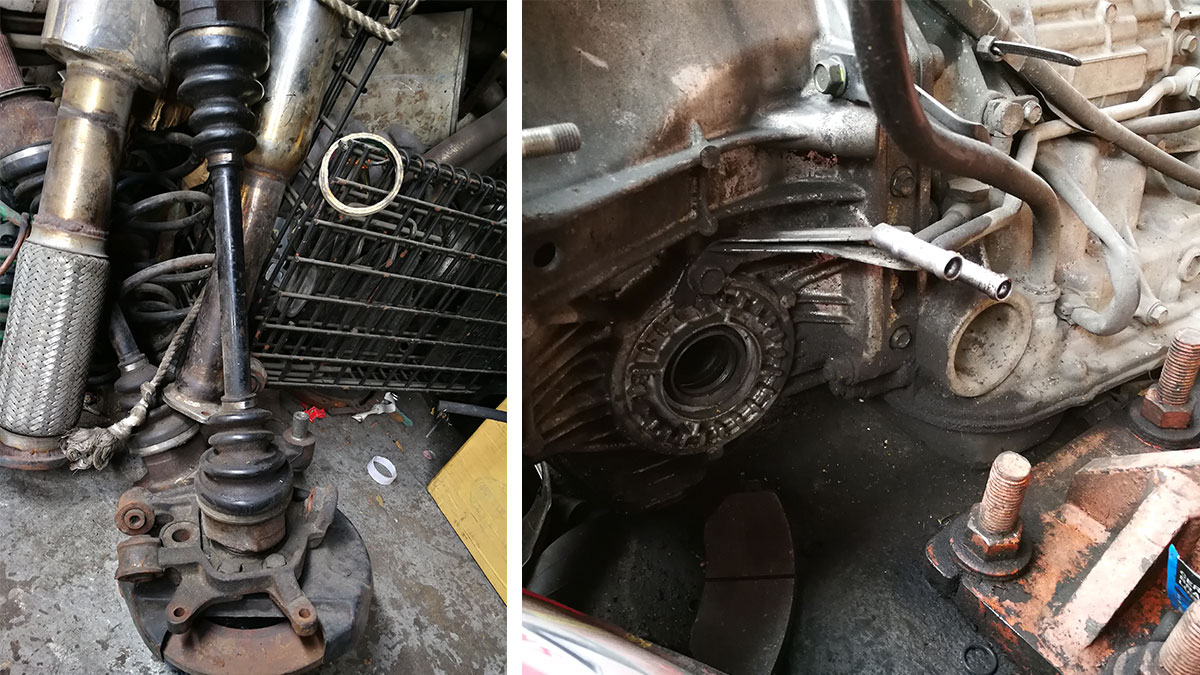
A small tear near your front wheel can turn into one of the most expensive drivetrain problems you never saw coming. A cracked CV axle boot usually starts quietly, with a little grease spray, a faint clicking sound, or a vibration you blame on tires. For many U.S. drivers, especially anyone dealing with potholes, salted winter roads, gravel driveways, or long highway commutes, that rubber cover is the only thing keeping road grit away from a fast-spinning joint. Once it splits, the clock starts.
The hard part is that early signs rarely feel dramatic. You may notice dark grease inside the wheel, a pop during tight turns, or a shudder when pulling away from a stop. That is why good car care is not only about oil changes and brake pads. It is also about catching small mechanical warnings before they become roadside problems, the same practical mindset behind trusted automotive maintenance insights that help drivers make smarter repair choices. When the boot fails, the joint loses protection, then lubrication, then patience. Your job is to notice the warning before the axle makes the decision for you.
What a Damaged Joint Cover Tells You Before the Axle Gives Up
The boot is not the expensive part. The damage it allows is what empties the wallet. That thin rubber cover holds grease inside the constant velocity joint while keeping water, dust, salt, and tiny road debris out. Once it cracks, the joint may still work for a while, but it is no longer working clean. That gap between “still driving fine” and “failed on the road” is where smart owners save money.
Grease Around the Wheel Is the First Honest Warning
Fresh grease on the inside edge of a wheel is one of the clearest early signs of a cracked CV axle boot. It often looks like dark, sticky splatter in a circular pattern because the axle spins and throws grease outward. Many drivers miss it because it hides behind the wheel spokes, under the fender liner, or along suspension parts that already look dirty.
A careful look after a car wash or tire rotation can reveal the problem before noise begins. A shop in Michigan, for example, may spot the issue during winter tire service because salt and slush make old rubber split faster. The counterintuitive part is that the car may drive smoothly while the boot is already losing grease. Silence does not mean safety here.
Old grease also attracts grit, so the area can look like black paste instead of fresh lubricant. That paste tells a story. It means the joint may already be running with less protection than it needs, and every mile adds more dirt to the moving surfaces.
Clicking During Turns Means the Joint Is Already Complaining
A light click while turning into a parking space is easy to ignore. Drivers often blame loose trim, worn brakes, or something rolling around in the trunk. When the sound follows steering angle and gets sharper during tight turns, the outer CV joint deserves attention.
The sound usually happens because the joint no longer moves smoothly under load. The balls and grooves inside the joint need grease to slide while the wheels turn and the suspension moves. When dirt gets inside, those surfaces develop wear patterns that turn quiet movement into clicking.
This is where waiting becomes expensive. A torn boot can sometimes be replaced if the joint stays clean and quiet. A clicking joint, though, often means the axle assembly is already on borrowed time. The repair choice changes from saving the boot to replacing the damaged part.
Cracked CV Axle Boot Inspection Points Most Drivers Miss
A quick glance under the car helps, but it rarely tells the whole truth. The boot can crack between ribs, split on the underside, or leak only when the wheel turns at a sharp angle. That is why many drivers miss the early stage and only notice the problem after noise starts. A better inspection looks at movement, grease pattern, and road conditions together.
Where to Look When the Car Is Parked
The easiest place to start is behind the front wheels on a front-wheel-drive car. Look for accordion-shaped rubber boots near the wheel hub and closer to the transmission. Trucks, SUVs, and some all-wheel-drive vehicles may have boots on front and rear axle shafts, so the layout depends on the drivetrain.
A flashlight helps more than experience. Turn the steering wheel all the way to one side, then inspect the exposed boot ribs. Cracks often open on the stretched side, especially on older cars that see hot summers and cold winters. In states like Arizona, heat can dry rubber. In states like New York or Ohio, road salt can speed aging around clamps and small cuts.
Clean parts can still fail, which surprises people. A boot may have a thin split that only throws grease at speed. If the wheel well has scattered grease but the boot looks fine from one angle, inspect from below or ask a technician to rotate the axle by hand.
Why Boot Clamps and Rib Cracks Matter
A failed clamp can cause the same mess as a torn boot. The rubber may remain intact, but grease escapes from the edge where the clamp lost tension. This detail matters because a clamp problem caught early may prevent joint damage, while a torn, contaminated boot points toward deeper trouble.
Rib cracks deserve attention even before they open fully. Those folds flex every time the suspension moves and every time the wheels turn. Small surface cracks can become splits after one hard freeze, one long freeway trip, or one pothole hit at the wrong steering angle.
The odd thing is that the smallest crack can be the most dangerous because it gives the driver no drama. A boot ripped wide open looks serious, so people act. A hairline split hides in plain sight while grit enters slowly. That slow contamination can destroy the joint without giving you one big warning moment.
Driving Symptoms That Separate a Boot Problem From Axle Joint Failure
Grease loss tells you the protective cover has failed. Driving symptoms tell you whether the joint itself may already be damaged. This difference matters because it changes the repair plan. A quiet, recently torn boot may still leave room for a boot replacement. Noise, vibration, or clunking often pushes the job toward axle replacement.
Clicking, Popping, and Clunking Under Load
Outer joint wear usually announces itself during turns. The classic sound is a rhythmic click that speeds up with wheel rotation and becomes louder when pulling into a driveway, making a U-turn, or turning through a tight parking lot. The noise may fade when driving straight because the joint angle is smaller.
Inner joint wear often feels different. Instead of sharp clicking, you may feel a clunk when shifting from reverse to drive or when accelerating from a stop. Some drivers describe it as a loose thud under the floor. That sound can overlap with worn engine mounts or suspension problems, so guessing from the driver’s seat can lead you in circles.
A real-world example helps. A Honda Accord owner in suburban Dallas may hear clicking only when leaving a grocery store lot. The car then feels normal on the highway. That does not make the warning harmless. It means the joint is showing stress only when angle and torque meet.
Vibration That Feels Like Tires but Comes From the Axle
A worn inner CV joint can create vibration during acceleration. This is the symptom that fools many drivers because it can feel like tire balance, wheel alignment, or a bent rim. The difference is that axle-related vibration often gets stronger when you press the gas and eases when you coast.
That pattern matters. Tire balance problems usually show up at certain speeds, whether you accelerate or not. Axle joint wear cares about load. When torque travels through a damaged joint, the movement becomes uneven, and the vibration moves through the chassis.
Shops often need a road test to separate these issues. A good technician will listen during turns, feel for vibration under throttle, inspect grease patterns, and check for play. The answer rarely comes from one clue. It comes from the clues agreeing with each other.
Repair Timing, Cost Logic, and Safety Decisions
Repair timing is where many owners hesitate, and that hesitation costs money. A boot is cheap compared with an axle, but labor changes the math. Some shops prefer replacing the whole axle assembly because modern replacement axles can be cost-effective, while rebooting takes time and may not save a joint that already swallowed grit. The right move depends on how early you caught it.
When a Boot Replacement Still Makes Sense
A boot replacement can make sense when the tear is fresh, the joint is quiet, and the grease loss is minor. The mechanic removes the old boot, cleans the joint area, adds fresh grease, and installs a new boot with clamps. That approach protects the original axle if the joint has not been damaged.
This is common on vehicles where original equipment axles are higher quality than cheap replacement parts. Some Subaru, Toyota, and Honda owners prefer saving a clean factory axle rather than installing a low-grade aftermarket unit. That choice can be smart when the joint has no clicking, no vibration, and no rough movement.
Time still matters. A boot that split last week is not the same as one that has been open for a season. Once road grit enters the joint, cleaning may not erase the wear. Rubber is cheap. Contamination is not.
When Axle Replacement Is the Smarter Move
Axle replacement becomes the stronger choice when the joint clicks, binds, vibrates, or has been exposed for too long. At that stage, a new boot would only hide damage already inside the joint. It would be like putting fresh tape over a cracked phone screen and pretending the glass is fine.
Safety also enters the picture. A failing CV joint can worsen until the axle can no longer transfer power properly. In severe cases, the vehicle may lose drive force, make harsh noises, or become unsafe to operate. Most drivers should avoid long trips once clicking or vibration appears, especially before highway travel or bad weather.
The practical move is simple: inspect early, price both repair paths, and ask the shop what evidence points to their recommendation. A good answer will mention grease loss, noise, joint play, and contamination. A weak answer will only say, “You need an axle,” without showing why.
Conclusion
Small drivetrain problems punish delay because they keep working while they are already failing. That is what makes boot damage so easy to underestimate. The car may still start, steer, brake, and cruise, but the joint can be losing the clean grease it needs every mile. Once the warning signs appear, the smartest owner does not wait for a louder noise to feel certain.
A cracked CV axle boot gives you a rare chance to catch an axle problem before it becomes a full repair bill. Grease on the wheel, clicking during turns, vibration under acceleration, and split rubber around the joint all deserve attention before they turn into a tow-truck story. The next time your car is on a lift for tires, brakes, or an oil change, ask for a quick axle boot inspection. That small request can save the part that keeps power moving to the wheels.
Frequently Asked Questions
What are the first signs of a cracked axle boot?
Grease splatter near the inside of the wheel is often the first sign. You may also see cracks in the rubber folds or notice a light clicking sound during tight turns. Early damage can appear before the car feels different on the road.
Can I drive with grease leaking from a CV boot?
Short local driving may be possible, but it is not a problem to ignore. Grease loss allows dirt and water into the joint, which can speed wear. Avoid long trips and get the boot or axle inspected soon.
How long does a torn CV boot last before failure?
There is no safe fixed timeline. A clean tear caught early may last longer than one exposed to rain, salt, mud, or highway heat. Once clicking or vibration starts, the joint may already have internal damage.
Does a bad CV joint always make noise?
Noise is common, but not guaranteed at first. Some worn joints create vibration before clicking becomes obvious. Others stay quiet until the boot has lost enough grease and contamination has damaged the moving surfaces.
Is it cheaper to replace a CV boot or the whole axle?
A boot usually costs less as a part, but labor can make the total repair close to axle replacement. If the joint is already noisy or dirty inside, replacing the axle often makes better financial sense.
What does CV axle clicking sound like when turning?
The sound is usually a repeated click, pop, or snap that gets faster as the wheel rotates. It often becomes louder during tight turns, parking maneuvers, or U-turns because the outer joint works at a sharper angle.
Can a cracked boot cause vibration while accelerating?
Yes, especially if the inner joint has wear or contamination. Axle-related vibration often gets stronger under throttle and may ease when coasting. That pattern helps separate it from tire balance or alignment problems.
Should both CV axles be replaced at the same time?
Both axles do not need replacement unless both show wear, torn boots, noise, or vibration. A shop should inspect each side separately. Replacing a healthy axle only because the other side failed can waste money.