A car rarely fails in one loud, dramatic moment. It usually whispers first, then rattles, then starts charging you for all the warnings you ignored. That is why Iron Torque Care matters most when everything still feels normal. Smooth driving comes from small checks done before the engine gets moody, before the steering feels tired, and before a simple delay turns into a garage bill with teeth. Good upkeep is not about pampering a machine. It is about respecting the pressure, heat, friction, and vibration that work against your car every time you turn the key.
Most drivers wait for trouble because the car still starts. That habit is expensive. A better approach is to treat engine maintenance, vehicle performance, and driving comfort as one connected system, not separate chores. Even smart publishing and visibility partners such as digital growth platforms understand the same principle: steady attention beats last-minute panic. Your car rewards that same thinking. Care arrives early, problems stay smaller, and every drive feels less like a gamble.
Iron Torque Care Begins Before the Engine Complains
A healthy car does not ask for attention politely forever. It gives you clues through sound, smell, feel, and small changes that are easy to dismiss after a long day. The first layer of better vehicle performance is learning to notice what changed yesterday, not what broke today. That shift alone separates careful owners from drivers who only react after the dashboard lights up.
Engine maintenance starts with listening, not guessing
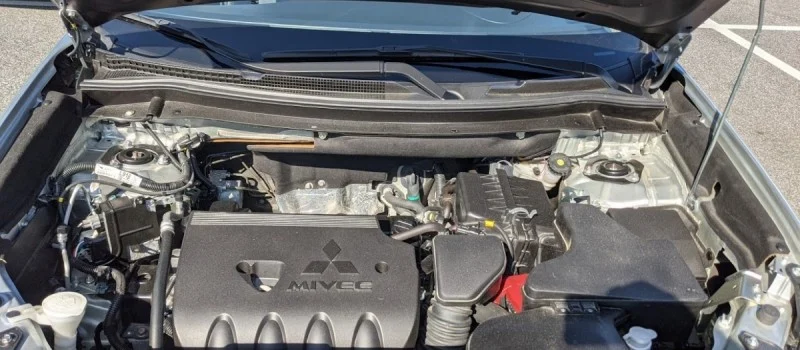
A cold start tells you more than most people realize. A clean start settles into a steady rhythm, while a tired one drags, coughs, shakes, or hangs at odd revs before calming down. That first half minute can reveal weak ignition, dirty intake parts, aging oil, or a battery losing its nerve.
Drivers often ignore a rough start because the car “runs fine after a minute.” That sentence has emptied plenty of wallets. A small rough idle can grow into wasted fuel, harder starts, and poor vehicle performance under load. The engine is not being dramatic. It is asking for basic attention before the fault spreads.
A simple habit works well here: listen before the radio goes on. Notice whether the idle feels steady, whether the exhaust note has changed, and whether the steering wheel trembles more than it used to. You do not need mechanic-level ears. You need memory and honesty.
Smooth driving habits protect parts you never see
Gentle driving does not mean slow driving. It means clean inputs: steady throttle, calm braking, and no sudden demands from a cold engine. Metal expands with heat, oil needs time to circulate, and rubber parts behave better when they are not shocked into service.
The counterintuitive part is that aggressive driving is not the only enemy. Short, lazy trips can be rough on engine maintenance too. A car that only travels five minutes at a time may never reach full operating temperature, which lets moisture and fuel residue hang around longer than they should.
Driving comfort improves when your habits stop fighting the car. Roll away gently, let the engine settle, avoid harsh acceleration before warm-up, and give the brakes room to work instead of stabbing them late. The car begins to feel calmer because you stopped turning every errand into a stress test.
Fluids Decide How Long the Drive Stays Civil
Once you start paying attention to early signals, the next truth lands hard: fluids are not background details. They are the working blood of the car. Oil, coolant, brake fluid, transmission fluid, and power steering fluid carry heat, pressure, and protection through parts that cannot survive dry friction or dirty circulation.
Engine oil changes shape the whole mood of the car
Fresh oil does more than reduce wear. It helps the engine feel lighter, quieter, and more willing under normal driving. Old oil thickens, breaks down, and carries contamination through narrow passages that need clean flow to do their job.
A driver who stretches oil changes to save money often pays for that choice in noise, sluggish response, and long-term wear. The bill may not arrive at once. That is what makes it dangerous. Damage builds quietly while the car still appears loyal.
Good engine maintenance means checking the oil level between service visits, not only during them. Park on level ground, wait a few minutes after shutting the engine off, and read the dipstick properly. If the level drops often or the oil looks gritty, the car is giving you a plain message: stop guessing and inspect deeper.
Coolant care keeps vehicle performance from turning fragile
Coolant does not get the respect it deserves because it works out of sight. When it is healthy, nobody thinks about it. When it fails, the temperature gauge climbs, steam appears, and the mood changes fast.
A cooling system has one job that affects everything else: keep heat under control. Too much heat changes oil behavior, stresses gaskets, weakens hoses, and turns normal vehicle performance into a fragile balancing act. A small coolant leak can become a head gasket problem if pride keeps you driving.
Check the coolant level only when the engine is cool. Look for crusty residue near hose joints, a sweet smell after parking, or a slow drop in the reservoir level. These signs may look small, but heat has no patience. It punishes delay harder than almost any other part of the car.
The Road Feel Tells the Truth About Hidden Wear
A car speaks through the steering wheel, brake pedal, seat, and floor. Many drivers focus on the engine and miss the rest of the conversation. That is a mistake. Driving comfort depends on how the suspension, tires, brakes, and alignment work together under real road pressure.
Tire pressure changes driving comfort more than people expect
Tires are the only parts touching the road, yet many owners treat them like black circles that only need attention when one goes flat. Wrong pressure can make a car feel heavy, nervous, noisy, or vague. It also changes braking distance and tire wear patterns.
Low pressure often creates a soft, dragging feel. High pressure can make the ride sharp and unsettled. Neither condition helps smooth driving, and both can hide beneath normal daily use until the tire edges begin wearing badly.
Check pressure when tires are cold, not after a highway run. Use the number recommended for your car, not the maximum number stamped on the tire sidewall. That small distinction matters. The sidewall number is a limit; the car’s label is the setup.
Brakes and suspension reveal what the dashboard hides
A dashboard light is not the only warning system. A brake pedal that feels spongy, a car that dives hard under braking, or a steering wheel that shakes at certain speeds all point toward wear that deserves attention. The car may still stop, but “still stops” is a low standard for safety.
Suspension wear often sneaks in because it happens slowly. One month the car floats a little over bumps. Later, it leans more in corners, takes longer to settle, and feels less planted on rough roads. You adapt without noticing, then wonder why the drive feels tiring.
A practical test is simple. Drive a familiar road and notice whether the car tracks cleanly, absorbs bumps without drama, and brakes in a straight line. Familiar roads expose new problems because your body already knows how the car used to feel there.
Better Updates Come From a Maintenance Rhythm You Can Keep
Good car care fails when it depends on motivation. Nobody stays excited about checking hoses, oil, tires, and filters forever. The reliable approach is a rhythm simple enough to follow when you are busy, tired, or annoyed by life.
Vehicle performance improves when checks follow a calendar
Mileage-based care matters, but time matters too. A car that sits often can still age through dry seals, weak batteries, stale fluids, and flat-spotted tires. Waiting for miles alone can leave quiet damage unnoticed.
Set monthly checks for tire pressure, oil level, coolant level, lights, wipers, and visible leaks. Pair the task with something you already do, such as filling fuel or washing the car. The trick is not making the routine impressive. The trick is making it hard to forget.
Seasonal checks deserve their own place. Before summer heat, inspect coolant, air conditioning, belts, and tire condition. Before colder months, check the battery, wipers, defroster, and lights. Weather exposes weak parts without mercy, and it always seems to do it on a day when you are already late.
A repair log turns guesswork into control
A small notebook or phone note can save more stress than a fancy accessory. Record service dates, mileage, parts replaced, fluid types, tire rotations, and symptoms you noticed. Patterns appear faster when memory stops carrying the whole job.
This habit helps during mechanic visits too. Instead of saying, “It makes a sound sometimes,” you can say, “The sound started after the last tire rotation, happens above 45 mph, and gets louder on rough pavement.” That kind of detail cuts through confusion.
Iron Torque Care works best when you stop treating upkeep as random rescue work. A log gives your car a history, and history gives you power. You make cleaner decisions, avoid repeat repairs, and spot weak links before they turn into expensive stories.
The Real Cost of Ignoring Small Changes
A car does not care whether you are busy. Heat keeps building, rubber keeps aging, oil keeps breaking down, and tires keep wearing while life distracts you. The smartest owners are not the ones who know every technical term. They are the ones who respond early.
Delayed care often feels harmless because the car keeps moving. That false comfort is the trap. A faint belt squeal, a slow coolant loss, a soft brake pedal, or a vibration at highway speed may not ruin your day now, but each one points to a system losing balance.
Smooth driving depends on trust between you and the machine. You give it clean fluids, measured inputs, proper pressure, and timely attention. It gives you quieter starts, steadier handling, safer stops, and fewer ugly surprises. Keep Iron Torque Care on a simple monthly rhythm, write down what changes, and book repairs before symptoms become breakdowns. Start with one inspection this week, because the best car problem is the one you catch while it is still small.
Frequently Asked Questions
What are the best engine maintenance habits for daily drivers?
Check oil level, coolant level, tire pressure, lights, and visible leaks on a monthly schedule. Drive gently until the engine warms, avoid ignoring new sounds, and keep service records. Small habits protect expensive parts before damage becomes obvious.
How does tire pressure affect smooth driving?
Correct tire pressure helps the car steer, brake, and ride the way it was designed to. Low pressure can make the car feel heavy and waste fuel, while high pressure can create a harsh ride and uneven tire wear.
Why does my car feel rough even after servicing?
A rough feel after service may come from tire imbalance, worn suspension parts, old engine mounts, dirty fuel delivery, or brake issues. Service work can fix one problem while another remains hidden, so describe the exact feeling and when it happens.
How often should I check fluids for better vehicle performance?
A monthly fluid check works well for most drivers. Look at engine oil, coolant, brake fluid, washer fluid, and any visible leaks. Cars driven in heat, traffic, dust, or short-trip routines deserve closer attention.
What signs show my car needs brake inspection?
A soft pedal, squealing, grinding, vibration, pulling to one side, or longer stopping distance all call for brake inspection. Do not wait for a warning light. Brakes often give physical clues before electronics get involved.
Can driving habits reduce engine wear?
Calm driving reduces stress on the engine, transmission, brakes, and tires. Avoid hard acceleration on a cold engine, sudden stops, and heavy throttle in low-speed traffic. Consistent inputs help parts last longer and keep the ride calmer.
What should be included in a car care log?
Record service dates, mileage, oil type, filters, tire rotations, repairs, warning lights, unusual sounds, and mechanic notes. A clear log helps you spot patterns, plan future service, and explain issues more accurately during inspections.
How do I know if poor driving comfort comes from suspension?
Watch for bouncing after bumps, uneven tire wear, clunking sounds, nose-diving during braking, or drifting on familiar roads. Suspension problems often build slowly, so compare the car’s current feel with how it handled a few months ago.