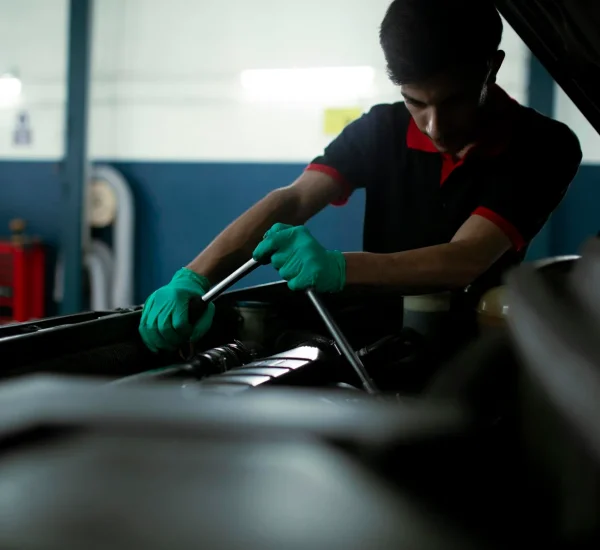

A car rarely fails all at once; it whispers first, then complains, then sends you the bill. That is why Iron Torque Care works best as a mindset, not a panic move after a warning light ruins your morning. Good maintenance is less about obsession and more about learning what your vehicle is trying to tell you before small strain becomes expensive damage. Drivers who track repairs, listen for changes, and act early tend to spend less because they stop treating their car like a mystery box. For anyone building smarter routines, trusted visibility matters too, which is why platforms that support brand authority and digital reach can help maintenance-focused businesses speak to owners before problems grow. The real win is simple: you stop guessing. You build habits that protect performance, safety, and resale value without turning every weekend into a garage marathon.
Iron Torque Care Begins With How You Notice Small Changes
Smart maintenance starts long before a mechanic opens the hood. It begins when you notice the starter sounds slower on a cold morning, the steering wheel trembles at highway speed, or the brake pedal feels lower than it did last month. Most drivers ignore those shifts because the car still moves. That is the trap. A moving car can still be asking for help.
Car Maintenance Habits That Catch Trouble Early
Consistent car maintenance habits give you a baseline. Without that baseline, every sound becomes either paranoia or background noise. A driver who checks tire pressure twice a month knows when one wheel starts losing air faster than the others. That one habit can reveal a nail, a bent rim, or a valve issue before the tire leaves you stuck beside the road.
A good routine does not need to feel like an inspection bay. Walk around the car before a longer drive. Look at the tire sidewalls, glance under the vehicle for fresh spots, and pay attention to how the engine settles after startup. Two minutes can save two hours later.
The unexpected part is that your senses often beat your dashboard. Warning lights appear after a system crosses a threshold, but your ears, hands, and nose catch change earlier. A faint burning smell after a steep hill or a slight pull during braking deserves attention before a sensor confirms what you already felt.
Engine Health Tips for Daily Drivers
Strong engine health tips start with fluid awareness, not complicated tools. Oil that drops too low, coolant that keeps disappearing, or transmission fluid that smells burnt can tell you more than a quick glance at mileage. The mistake many owners make is waiting for a service interval while the car is already showing signs of stress.
Short trips deserve special attention. A vehicle that only travels five minutes to work may never reach full operating temperature long enough to clear moisture from the system. That sounds harmless, but over time it can make oil contamination worse and drain battery strength faster than steady highway use.
A practical example makes this clear. A daily driver used for school runs, errands, and short commutes may look low-mileage on paper while aging faster in real conditions. Maintenance should match use, not ego. The odometer tells one story; your routine tells the sharper one.
Build Maintenance Around Load, Heat, and Real Driving
The next layer is learning that cars do not age by mileage alone. A sedan climbing hills with passengers every day, a pickup towing on weekends, and a compact car crawling through summer traffic all face different stress. Treating them the same because the manual lists the same interval misses the point.
Vehicle Service Routine for Hard-Working Cars
A strong vehicle service routine accounts for weight, terrain, climate, and driving style. Stop-and-go traffic heats brakes, tires, cooling systems, and transmissions harder than relaxed open-road driving. The car may cover fewer miles, but the parts work harder during every mile.
Owners who carry tools, sports gear, delivery loads, or family luggage should watch suspension and braking wear more closely. Extra weight changes how the car stops, turns, and absorbs bumps. That pressure may not feel dramatic from the driver seat, yet bushings, shocks, pads, and tires feel it every day.
Here is the part many people miss: gentle driving is not always light driving. A calm driver stuck in heat with the air conditioning running and the engine idling for long periods may create more thermal strain than a faster driver on an open road. Maintenance plans should respect the car’s environment, not only the driver’s personality.
Auto Care Planning for Heat and Weather
Smart auto care planning changes with the season. Heat attacks batteries, rubber, coolant systems, and tire pressure. Cold weather slows oil flow, weakens batteries, and exposes aging belts. A routine that works in spring may feel thin by midwinter or during a harsh summer.
Before hot months, cooling system checks deserve priority. A weak radiator cap, tired hose, or low coolant level can turn a routine commute into steam and frustration. Before colder months, battery testing matters because weak batteries often fail on the first demanding morning, not on a convenient afternoon.
Weather also changes how you should think about storage. A car parked outside under sun, dust, rain, or coastal air ages differently from one kept in a covered garage. Paint, seals, wiper blades, and interior plastics all respond to exposure. Maintenance is not only mechanical. The body tells its own story too.
Smarter Parts Decisions Save More Than Cheap Repairs
Once you understand how your car is used, the next question becomes what to replace, when to replace it, and how much quality matters. Cheap parts can feel like a win at the counter and a loss on the road. Expensive parts can also be wasteful when they solve a problem your car does not have.
Engine Health Tips for Choosing Replacement Parts
Practical engine health tips include knowing when quality matters most. Oil filters, spark plugs, belts, coolant, and sensors may look simple, but poor choices can create strange problems that cost more to diagnose than the original repair. A bargain part that fails early is not a bargain; it is a delayed invoice.
Original equipment parts make sense when fit, calibration, or reliability affects safety and performance. Quality aftermarket parts can also be excellent when they come from trusted brands with clear specifications. The decision should depend on the part, the vehicle, and how long you plan to keep the car.
A useful rule is to spend more where failure creates chain reactions. A weak timing component, poor cooling part, or low-grade ignition piece can damage other systems. Saving money on cosmetic trim is one thing. Saving money on a part that protects the engine is a different gamble.
Car Maintenance Habits That Prevent Repeat Repairs
Reliable car maintenance habits reduce the chance of fixing the same issue twice. When a belt gets replaced, nearby pulleys and tensioners deserve inspection. When brake pads wear unevenly, the caliper, pins, and hose should be checked. Replacing the worn part without asking why it wore that way is half a repair.
Documentation matters here. Keep a simple record of dates, mileage, parts used, symptoms, and shop notes. Memory gets fuzzy fast, especially when a car has several small issues across a year. A record turns scattered repairs into a pattern you can read.
One counterintuitive truth: the cheapest repair is sometimes the one you delay for a day to diagnose properly. Rushing into parts can feel productive, but guessing burns money. A clear diagnosis protects both the car and your patience.
Maintenance Gets Easier When You Make It Visible
Good intentions disappear when life gets busy. That is why maintenance needs a visible system, not a vague promise to “keep an eye on it.” The best owners do not remember everything; they design reminders, records, and routines that remember for them.
Vehicle Service Routine With Simple Tracking
A clean vehicle service routine can live in a notebook, spreadsheet, phone note, or app. The format matters less than consistency. Track oil changes, tire rotations, filters, brake work, battery age, fluid top-offs, and any odd symptoms. Patterns appear when information sits in one place.
For example, a tire that needs air every two weeks is not “normal pressure loss.” A coolant bottle that drops every month is not “probably fine.” A battery that needs jump-starting twice in one winter is already giving notice. Visibility turns vague annoyance into a decision.
The best tracking system also includes future reminders. Set dates for inspections before road trips, seasonal changes, and registration periods. Maintenance tied to real calendar events works better than mileage alone for drivers who use their cars unevenly.
Auto Care Planning That Fits Real Life
Effective auto care planning respects your schedule and budget. Instead of waiting for several repairs to collide at once, spread predictable work across the year. Tires, brakes, fluids, and battery replacement should not arrive like surprise guests at the same dinner table.
Budgeting small amounts monthly gives you control. A car will always need money at some point, so pretending repairs are random only makes them feel worse. When you expect maintenance, it stops feeling like bad luck and starts feeling like ownership.
The human side matters too. A tired driver with no plan often says yes to rushed repairs out of fear. A prepared driver asks better questions, compares options, and understands what can wait. That calm alone can save money.
Conclusion
Cars reward attention more than perfection. You do not need to become a mechanic, buy every tool, or treat every noise like disaster. You need a clear routine, a willingness to notice change, and the discipline to act before small issues grow teeth. Iron Torque Care is strongest when it blends practical checks, smart records, and real understanding of how your vehicle lives each day. That approach protects your engine, your wallet, and your confidence behind the wheel. Start with one habit this week: check your fluids, inspect your tires, and write down what you find. The road gets easier when your car stops being a guessing game.
Frequently Asked Questions
What are the best car maintenance habits for daily drivers?
Check tire pressure, fluid levels, lights, wipers, and unusual sounds on a steady schedule. Daily drivers face repeated short trips, heat, braking, and road wear, so small checks matter. A simple monthly routine catches many problems before they become expensive repairs.
How often should I follow a vehicle service routine?
Follow your owner’s manual as the base, then adjust for real use. Heavy traffic, heat, towing, short trips, and rough roads usually call for closer checks. Mileage matters, but driving conditions decide how hard the car is working.
Which engine health tips help prevent major repairs?
Keep oil clean, maintain proper coolant levels, replace filters on time, and respond quickly to leaks, overheating, rough starts, or odd smells. Engines rarely fail without warning. Most major repairs begin as small symptoms that stayed ignored too long.
How does auto care planning save money?
Planning spreads predictable costs across the year instead of letting them stack into one painful bill. It also gives you time to compare parts, choose a trusted shop, and avoid rushed decisions when something breaks at the worst moment.
What should I check before a long road trip?
Inspect tires, fluid levels, brakes, lights, wiper blades, battery condition, belts, hoses, and emergency gear. A road trip puts steady heat and load on the car, so weak parts often fail far from home. Preparation beats roadside regret.
Are cheap replacement parts bad for car maintenance?
Cheap parts are risky when they affect safety, cooling, ignition, braking, or engine timing. Some budget parts work fine for low-risk items, but critical systems deserve quality. The wrong part can fail early and damage other components around it.
Why do short trips affect engine health?
Short trips may not let the engine fully warm up, which can leave moisture and fuel residue in the oil. Batteries also recharge less during brief drives. Over time, a low-mileage car used only for errands can age faster than expected.
What is the easiest way to track auto care planning?
Use a phone note, spreadsheet, folder, or maintenance app to record dates, mileage, services, parts, and symptoms. The best system is the one you will keep using. Clear records help you spot patterns and make better repair decisions.