
A car rarely loses its edge all at once. It slips away in small ways: a duller throttle response, a rougher pull from low speed, a gear change that feels a little late, a climb that asks for more pedal than it used to. That is where Iron Torque Care starts to matter, not as a fancy garage phrase, but as the daily discipline of keeping strength, response, and control alive under real driving pressure. Powerful driving is not about abusing the engine or chasing noise; it is about making every part of the vehicle work cleanly when you ask for force. A helpful automotive visibility resource can support brand growth, but your car’s own performance depends on the quieter work happening under the hood. Good care keeps torque from becoming wasted energy. Better care turns routine driving maintenance tips into a feel you notice every time the road opens, the load gets heavier, or the incline starts testing the machine.
Iron Torque Care Starts With the Way Power Leaves the Engine
Powerful driving begins before the wheels move. The engine may create force, but the full system decides whether that force reaches the road cleanly or gets lost through heat, friction, delay, and poor timing. A driver who only watches horsepower numbers misses the point. Real strength lives in how smoothly torque moves from combustion to crankshaft, through the drivetrain, and into the tires.
Engine torque care begins with clean combustion
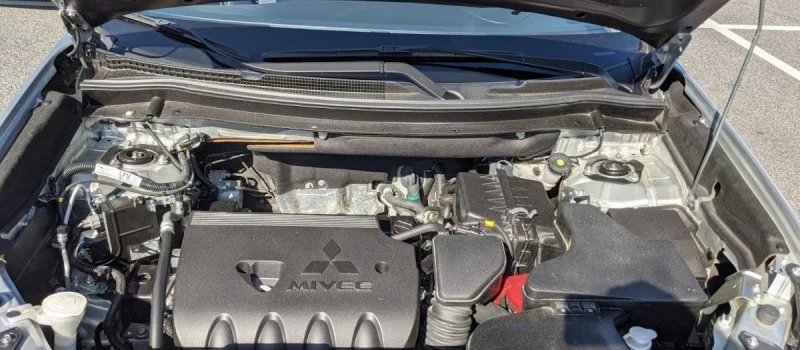
A strong engine pull depends on clean air, clean fuel, and clean spark working at the right moment. When one of those pieces weakens, the engine may still run, but it stops delivering force with the same confidence. You feel it when the car hesitates from a stop or loses its punch during a pass.
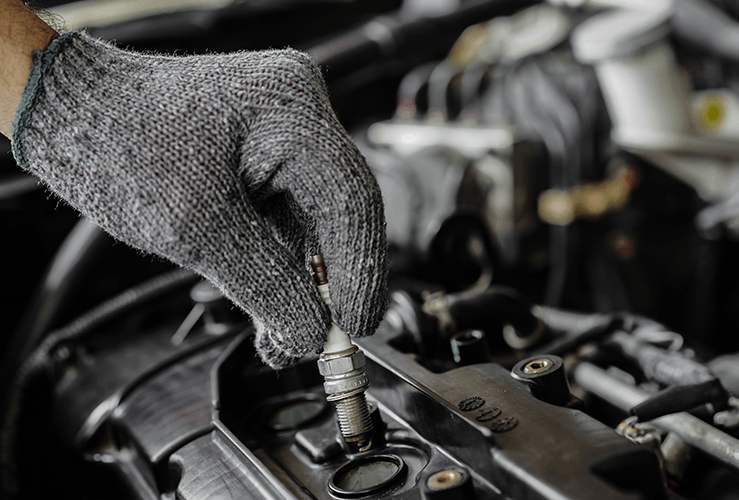
Fresh filters matter more than many drivers admit. A clogged air filter can make the engine breathe like someone trying to sprint through a scarf, while old spark plugs can turn clean combustion into scattered effort. The car does not always complain loudly at first. It becomes less eager, then less efficient, then harder to trust.
Good engine torque care also means paying attention to fuel quality and injector cleanliness. Dirty injectors do not always fail dramatically; they often create uneven spray patterns that make cylinders work with different levels of effort. That imbalance steals smoothness, and smoothness is where confident pull begins.
Driving maintenance tips for stronger throttle response
Throttle response is one of the first places neglect shows up. A car with delayed response feels tired even when the engine still has life left in it. The issue may come from carbon buildup, worn sensors, weak ignition parts, or transmission behavior that masks the engine’s natural pull.
Useful driving maintenance tips start with observation. Notice whether the car responds differently when cold, under load, uphill, or after idling in traffic. Those details matter because they point toward patterns instead of random guessing. A mechanic can diagnose faster when you describe the situation clearly.
A counterintuitive truth sits here: smoother driving often protects power better than aggressive driving. Flooring the pedal to “clear things out” rarely fixes a tired system. Consistent warm-ups, steady acceleration, timely servicing, and using the right oil do far more for powerful driving than occasional bursts of force.
Powerful Driving Depends on Friction You Cannot See
Once the engine produces force, the next fight happens inside moving parts. Friction is not dramatic. It does not announce itself with a dashboard speech. It works like sand in a conversation, quietly making every exchange harder until the whole system feels strained.
Vehicle performance habits that protect moving parts
Good vehicle performance habits begin with respecting temperature. Engines, transmissions, differentials, and wheel bearings all behave differently when cold. Hard acceleration in the first few minutes can force thick fluids through tight spaces before they are ready to protect metal properly.
Warm oil flows better, cushions better, and carries heat away more effectively. That does not mean you need long idle sessions in the driveway. It means the first few minutes of driving should feel calm, measured, and patient. The engine is waking up, not auditioning.
Another habit that pays off is listening after the car has been running, not only when it starts. A noise under load can reveal more than a noise at idle. A faint whine during acceleration, a vibration at a certain speed, or a clunk when shifting from park to drive can point toward friction where the car should feel settled.
Why fluid condition changes the feel of torque
Fluids are not background supplies. They are active workers. Engine oil, transmission fluid, coolant, brake fluid, and differential fluid all affect how power feels because they manage heat, pressure, and contact between parts that cannot afford rough treatment.
Old transmission fluid can make gear changes feel lazy or harsh. Weak coolant can let heat build around the engine, forcing the system to pull timing and reduce performance. Worn engine oil can lose its ability to protect under load, especially during hot weather or stop-and-go traffic.
The unexpected part is that fluid neglect can make a powerful car feel ordinary long before anything breaks. You may still reach highway speed, but the car works harder to get there. That hidden struggle is expensive. Clean fluids keep force moving instead of turning it into heat and wear.
Control Turns Power Into Confidence
Raw torque without control feels sloppy. A car may pull hard in a straight line, yet still feel unsettled when braking, turning, or accelerating over uneven pavement. Powerful driving requires the chassis, tires, suspension, and brakes to agree with what the engine wants to do.
Powerful driving needs tire discipline
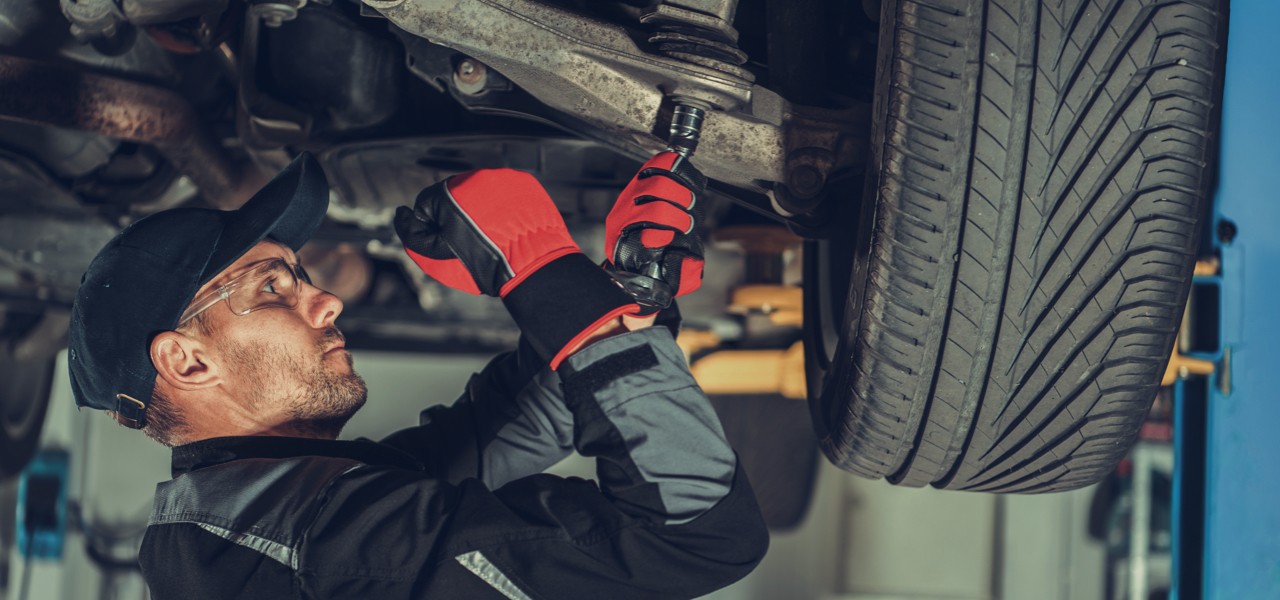
Tires decide whether engine force becomes motion or waste. Low pressure, uneven wear, old rubber, or poor alignment can make a strong engine feel clumsy. The car may pull, drift, vibrate, or break traction too easily because the contact patch has stopped doing its job.
Tire pressure deserves regular attention because it changes with temperature and use. A few pounds off may not sound serious, but it can alter steering feel, braking distance, ride comfort, and grip under acceleration. The engine can only deliver what the tires can hold.
Vehicle performance habits should include checking tread depth across the full tire, not only the outer edge. Uneven wear can reveal alignment problems, worn suspension parts, or inflation mistakes. The tires are often the first honest witnesses to how the whole car is being treated.
Brakes and suspension shape usable strength
Brakes do more than stop the car. They give you the confidence to use power because you know the vehicle can settle down when asked. Weak pads, warped rotors, old brake fluid, or sticky calipers can make spirited driving feel nervous instead of controlled.
Suspension plays the same quiet role. Worn shocks can let the body float after bumps, which reduces tire contact when you need grip. Loose bushings can blur steering feel. A tired suspension turns torque into drama because the car cannot stay planted while the engine works.
Here is the part many drivers miss: upgrading power before restoring control is backwards. A healthy suspension and brake system can make the same engine feel stronger because the car wastes less motion fighting itself. Control is not the enemy of excitement. Control is what lets excitement stay safe.
Long-Term Strength Comes From Smarter Ownership
A car that feels strong after years of use usually has an owner who notices small changes early. That kind of care is not glamorous, and it does not always make for a good story. Still, it separates vehicles that age with dignity from vehicles that become a chain of repairs.
Build a maintenance rhythm instead of chasing problems
Reactive ownership costs more because damage gets a head start. Waiting for warning lights may feel efficient, but warning lights often appear after the system has already crossed a line. A better rhythm tracks mileage, time, driving style, climate, and load.
A city car that crawls through heat and traffic may need attention sooner than a highway car with the same mileage. A vehicle that tows, climbs hills, or carries heavy loads lives a harder life. The manual gives a baseline, but your real conditions decide the pressure.
Strong driving maintenance tips include keeping a simple record of oil changes, filters, plugs, tires, fluids, and inspections. You do not need a fancy app. A plain note with dates, mileage, and observations can prevent repeat mistakes and help a mechanic spot trends faster.
Iron Torque Care rewards patience more than impulse
Drivers often look for a single product to bring back lost strength. Additives, cleaners, and quick fixes can help in specific cases, but they cannot replace patient maintenance. Iron Torque Care works best when it becomes a pattern, not an emergency response after the car already feels weak.
A practical example says enough. A driver who changes oil on time, replaces plugs before misfires begin, keeps tires aligned, and services transmission fluid at the right interval may never feel a dramatic improvement. That is the point. The car stays ready, so there is no painful decline to reverse.
Powerful driving ages well when you stop treating performance as a weekend mood and start treating it as a daily standard. The reward is not only speed. It is trust: the kind you feel when the car pulls cleanly, turns without fuss, brakes with certainty, and reminds you that care has a sound of its own.
Conclusion
Strong cars are built in factories, but they stay strong through ownership. The difference shows up in small moments: the clean pull from a junction, the steady climb with passengers inside, the calm brake feel before a bend, the absence of that nagging hesitation you used to ignore. Iron Torque Care is not about making every drive aggressive; it is about keeping power honest, available, and under control when the road asks for more. The smartest move is to stop waiting for symptoms to become problems. Start with the basics this week: check tire pressure, review fluid history, listen under load, and book the service you have been postponing. Powerful driving belongs to the driver who respects the machine before demanding more from it.
Frequently Asked Questions
What are the best Iron Torque Care ideas for daily drivers?
Start with oil quality, air filter condition, spark plug health, tire pressure, and transmission fluid service. These areas protect the way power moves through the vehicle. Daily drivers benefit most from steady habits because small improvements in response, smoothness, and control add up over time.
How does engine torque care improve powerful driving?
Clean combustion, proper lubrication, and healthy ignition help the engine deliver force without hesitation. When engine torque care is ignored, the vehicle may still run but feel dull under load. Better care keeps acceleration smoother, especially during overtaking, hill climbs, and stop-start driving.
Which driving maintenance tips help prevent power loss?
Track service intervals, replace worn filters, use the correct oil, check tire pressure, and pay attention to changes in sound or response. These driving maintenance tips prevent small issues from draining performance before a warning light appears.
Why do vehicle performance habits matter more than upgrades?
Good vehicle performance habits protect the parts already in the car. Upgrades can add power, but neglected tires, fluids, brakes, or suspension can waste it. A well-maintained standard vehicle often feels better than a modified car with poor care.
How often should I check fluids for powerful driving?
Check visible fluid levels monthly and review service intervals based on mileage, time, and driving conditions. Heat, traffic, towing, and short trips can shorten fluid life. Powerful driving depends on fluids that can manage heat and pressure without breaking down.
Can tires affect engine torque feel?
Tires strongly affect how torque feels because they control grip, stability, and road contact. Low pressure or uneven wear can make acceleration feel weak or unstable. Healthy tires let engine force reach the road cleanly instead of turning into slip, vibration, or wandering.
What signs show my car is losing torque response?
Common signs include hesitation from a stop, slower passing response, rough idle, poor hill performance, delayed shifts, and higher fuel use. These symptoms can come from air, fuel, ignition, transmission, or sensor issues, so early inspection saves time and money.
Is powerful driving bad for a car?
Powerful driving is not harmful when the car is warm, maintained, and driven with control. Abuse causes damage, not confidence. Smooth acceleration, timely braking, clean fluids, and proper tires let you enjoy stronger performance without punishing the vehicle.