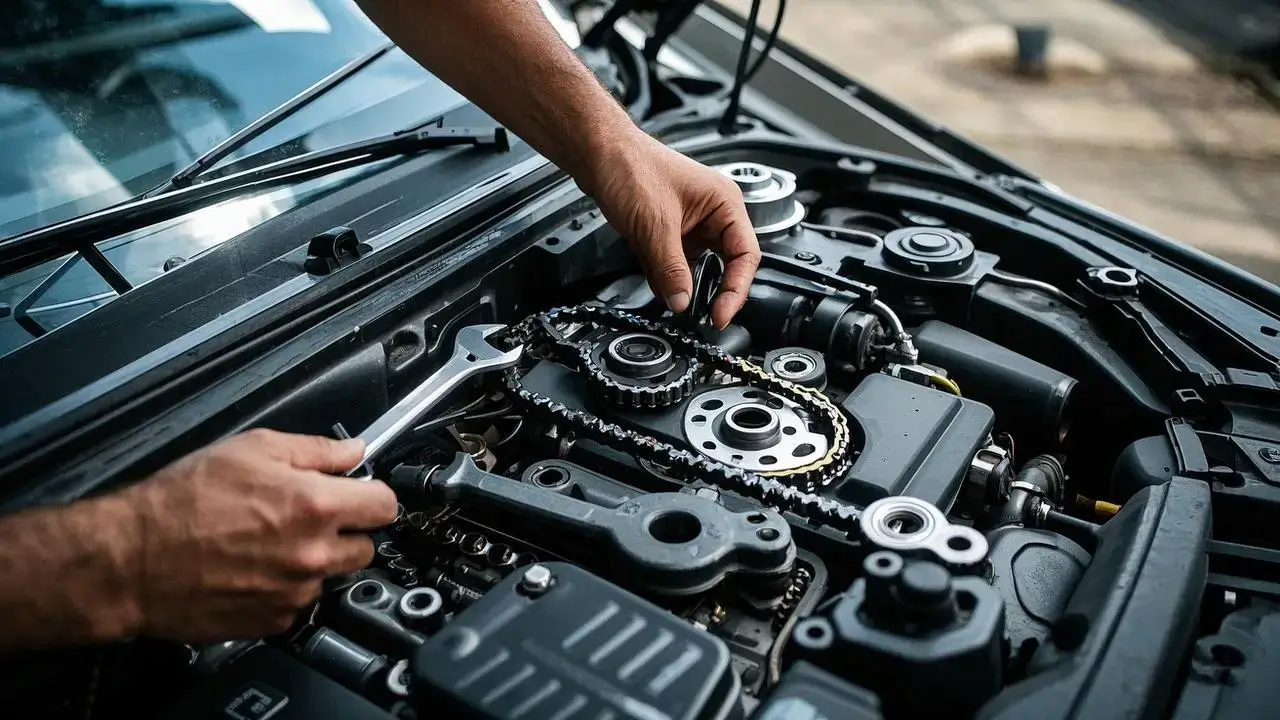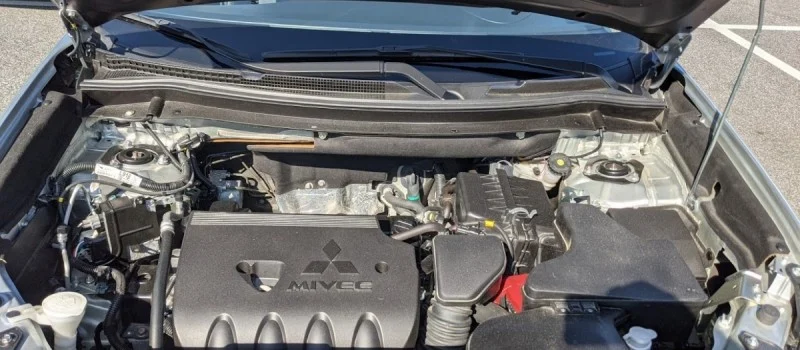

A reliable vehicle does not become dependable by accident. It becomes dependable because someone pays attention before small wear turns into a roadside headache. Iron Torque Care starts with that mindset: treat the vehicle as a working system, not a collection of parts you only notice when something breaks. The smartest drivers are not the ones who spend the most; they are the ones who catch weak signals early, build steady habits, and stop guessing about maintenance. A clean checklist, a calm ear, and the right service rhythm can save more money than any last-minute repair bill. That is also why vehicle owners who share maintenance advice through a trusted distribution partner often focus less on flashy upgrades and more on habits that keep cars, trucks, and daily-use vehicles steady under pressure. Good care is rarely dramatic. It is the quiet discipline that keeps the engine turning, the steering honest, and every drive less stressful.
Iron Torque Care Starts With How You Listen to the Vehicle
Reliable driving begins long before a warning light appears. The first layer of smart maintenance is learning how your vehicle behaves on an ordinary day, because ordinary behavior gives you the baseline that makes problems easier to spot. A driver who knows the normal sound of the engine, the normal feel of the brake pedal, and the normal rhythm of gear shifts can sense trouble while it is still cheap to fix.
Vehicle maintenance tips that begin before the garage
Small observations can protect you from expensive repairs because vehicles rarely fail in silence. A faint belt squeal on cold starts, a soft pull to one side, or a slow change in fuel economy can tell you more than a dashboard light. Treat those signs as early messages, not background noise.
Daily drivers should build a short pre-drive habit that takes less than a minute. Look under the vehicle for fresh fluid spots, notice whether the tires sit evenly, and listen to the first few seconds after ignition. This is not paranoia. It is pattern recognition.
The counterintuitive part is that you do not need to know every mechanical term to become a better caretaker. You need to notice what changed. A mechanic can name the fault, but you often notice the first clue because you live with the vehicle every day.
Engine care routine for smoother performance
A steady engine care routine keeps your vehicle from working harder than it should. Oil changes matter, but they are only one part of the picture. Air filters, spark plugs, coolant levels, and clean fuel habits all shape how easily an engine breathes, fires, cools, and responds.
Drivers often delay simple service because the vehicle still starts. That thinking is expensive. An engine can start while slowly losing efficiency, building heat, or burning more fuel than needed. Waiting for failure turns maintenance into punishment.
A better approach is to treat the engine like a body under stress. Heat, friction, dust, and neglect wear it down slowly. Fresh fluids and clean filters do not make the vehicle fancy; they make it honest. That honesty shows up in smoother starts, steadier acceleration, and fewer surprise repairs.
Reliable Vehicles Need Fluid Discipline, Not Guesswork
Once you learn to read the vehicle, the next step is managing the fluids that keep it alive. Fluids are easy to ignore because they hide under caps, reservoirs, and service intervals. Yet they carry heat, reduce friction, transfer force, clean moving parts, and protect expensive systems from damage. Bad fluids create quiet damage before they create loud failure.
Car reliability habits around oil, coolant, and brake fluid
Oil is the fluid most drivers remember, but it should not be the only one they respect. Coolant protects the engine from heat swings, brake fluid helps transfer stopping force, and transmission fluid supports smooth movement through gears. Each one works under pressure that most owners never see.
A smart car reliability habits plan includes scheduled checks between service visits. The goal is not to replace the mechanic. The goal is to avoid arriving at the shop after damage has already begun. Low coolant, dark brake fluid, or a burnt smell near the transmission should never be brushed aside.
One real-world example is the driver who keeps topping off coolant without asking where it went. That habit feels practical until the hidden leak grows into overheating. The refill did not solve the problem; it postponed the bill and made it larger.
Preventive vehicle care that protects hidden systems
Preventive vehicle care works because many failures begin in places you cannot easily see. A worn hose, aging gasket, or dirty reservoir may not look urgent from the outside. Inside the system, pressure and heat keep testing the weak spot until it gives way.
Fluid discipline means checking condition, not only level. Clean fluid usually tells a different story than dark, gritty, burnt, or cloudy fluid. A full reservoir with poor-quality fluid can still harm the system it is supposed to protect.
This is where many careful owners get caught. They check the dipstick, see enough fluid, and assume the job is done. Quantity matters, but quality carries the deeper truth. A vehicle can have enough of the wrong condition and still move toward failure.
Tires, Brakes, and Suspension Decide How Safe the Drive Feels
A healthy engine may get you moving, but the road-facing parts decide whether the vehicle feels trustworthy. Tires, brakes, and suspension turn maintenance from a mechanical topic into a safety issue. When these areas decline, you feel it in steering, stopping distance, road noise, and confidence during bad weather.
Tire checks as part of vehicle maintenance tips
Tires deserve more attention than they get because they are the only parts touching the road. Pressure, tread depth, sidewall condition, and alignment all affect fuel use, braking, cornering, and ride comfort. A tire can look fine from a distance while hiding uneven wear that points to a deeper issue.
Good vehicle maintenance tips always include tire pressure checks when the tires are cold. Heat from driving changes pressure readings, so checking after a long trip can mislead you. A small pressure difference may not sound serious, but it can change how the vehicle handles under sudden braking.
Rotation also matters because tires rarely wear at the same pace on every corner. Front tires often work harder during steering and braking, while rear tires carry their own load demands. Regular rotation gives the full set a fair chance to age evenly.
Brake feel and suspension clues you should not ignore
Brake problems often announce themselves through feel before they become failure. A pedal that sinks, shakes, squeals, or needs extra distance is not being dramatic. It is asking for attention. The same goes for steering vibration, clunking over bumps, or a vehicle that leans more than it used to.
Suspension wear can trick drivers because it builds slowly. You adapt to the new bounce, the rougher ride, and the extra movement in corners. Then one day you drive a better-maintained vehicle and realize yours has been floating for months.
The unexpected truth is that comfort and safety are tied together here. A stable suspension keeps tires planted, and planted tires help brakes do their job. When one part weakens, the others carry stress they were not meant to carry alone.
Smart Records Turn Maintenance Into a Calm System
The final layer of reliable care is organization. Memory is a poor maintenance tool because life gets busy, seasons change, and mileage rises faster than expected. Written records give you a clean view of what happened, what is due, and what pattern keeps returning. That clarity makes decisions easier when a shop recommends service.
Building an engine care routine with service records
A written engine care routine does not need to be fancy. A notebook, spreadsheet, or phone note can track date, mileage, service type, parts used, and any symptoms noticed before the visit. Over time, that record becomes more useful than a stack of forgotten receipts.
Service records help you spot patterns that single visits hide. If the same warning returns every few months, or the same fluid keeps dropping, you can push for diagnosis instead of paying for another temporary fix. Records turn vague concern into evidence.
They also help when selling the vehicle. A buyer may like clean paint, but maintenance proof builds deeper trust. A vehicle with organized records tells a stronger story than one with verbal promises and no paper trail.
Preventive vehicle care for long-term ownership
Long-term ownership rewards people who plan ahead. Preventive vehicle care should change with age, mileage, climate, and driving style. A vehicle used for short city trips faces different strain than one used for highway travel, towing, rough roads, or daily heat.
Older vehicles need closer attention to rubber parts, seals, belts, hoses, and electrical connections. These parts may not be glamorous, but they often decide whether a dependable vehicle stays dependable. Age does not ruin every part at once; it weakens the small links first.
Smart owners also budget for maintenance before it becomes urgent. Set aside a modest amount each month for service, tires, fluids, and inspections. That simple habit changes the emotional tone of car care. Instead of panic, you get control.
Conclusion
Reliable vehicles are built through repetition, not luck. The driver who listens early, checks fluids, respects tires and brakes, and keeps records will almost always spend less stress and less money than the driver who waits for failure. Iron Torque Care is not about turning every owner into a mechanic. It is about giving you enough awareness to make better decisions before damage takes the steering wheel. Start with one habit this week: check your fluids, inspect your tires, write down your mileage, or book the service you have been delaying. Pick the weak link you already know exists and handle it before it becomes the reason your plans fall apart. A dependable vehicle gives back every bit of attention you give it.
Frequently Asked Questions
What are the best vehicle maintenance tips for daily drivers?
Check tire pressure, fluid levels, lights, brakes, and unusual sounds on a steady schedule. Daily drivers collect wear fast because they face traffic, short trips, heat, dust, and stop-start driving. Small checks help you catch problems before they become expensive repairs.
How often should I follow an engine care routine?
Follow the service interval in your owner’s manual, then adjust for your driving conditions. Short trips, towing, hot weather, dusty roads, and heavy traffic may require closer attention. Oil, filters, coolant, belts, and spark plugs should never be left to guesswork.
Why does preventive vehicle care save money?
Preventive service fixes small wear before it damages connected parts. A cheap belt, hose, filter, or fluid change can protect expensive systems from heat, friction, or pressure failure. Waiting often turns a simple service item into a larger repair.
What car reliability habits matter most for older vehicles?
Older vehicles need steady checks on fluids, hoses, belts, tires, brakes, suspension, battery health, and electrical connections. Rubber and seals age even when mileage stays low. Regular inspections help you catch cracks, leaks, corrosion, and weak parts early.
How can I tell if my vehicle needs brake service?
Watch for squealing, grinding, shaking, pulling, longer stopping distance, or a brake pedal that feels soft. These signs point to wear or fluid issues that need attention. Brake problems should be handled quickly because stopping power leaves little room for delay.
What is the easiest way to track vehicle service history?
Use a notebook, phone note, spreadsheet, or maintenance app. Record the date, mileage, service performed, parts used, and any symptoms. Clear records help you plan future care, compare repair patterns, and show proof of upkeep when selling.
Which fluids should I check for better car reliability?
Check engine oil, coolant, brake fluid, transmission fluid, power steering fluid where applicable, and windshield washer fluid. Level matters, but condition matters too. Dark, burnt, cloudy, gritty, or leaking fluid should be inspected by a qualified mechanic.
How do tires affect reliable vehicle performance?
Tires affect braking, steering, fuel economy, ride comfort, and wet-road grip. Poor pressure or uneven wear can make a good vehicle feel unstable. Regular pressure checks, rotation, alignment checks, and tread inspections keep the vehicle safer and easier to control.