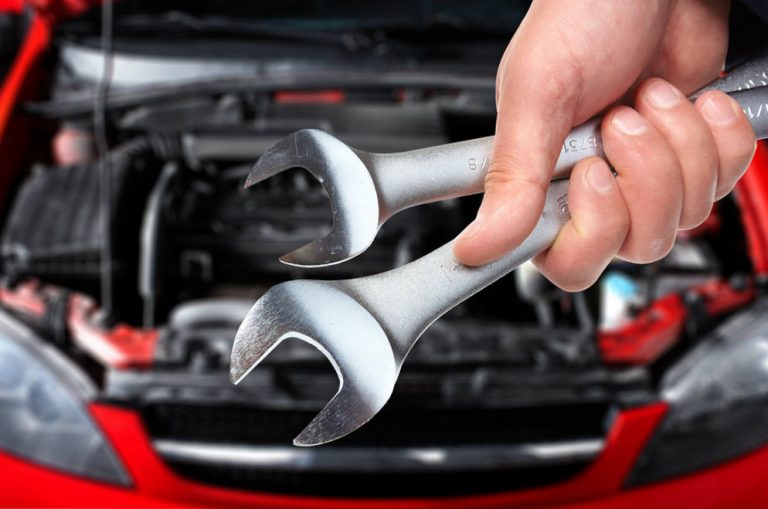

A healthy engine rarely fails in one dramatic moment. It usually gives small warnings first, and most drivers miss them because the car still starts, still moves, and still sounds “normal enough.” Smart engine care begins when you stop treating performance as luck and start reading your vehicle like a machine that speaks through heat, sound, vibration, oil color, and response. That is where better ownership begins.
Your engine lives under pressure every mile, even on easy roads. Heat expands metal, oil carries debris, belts age, filters clog, and sensors adjust constantly to keep combustion clean. A driver who pays attention does not need to become a mechanic. You only need enough practical judgment to notice when something has changed before it turns expensive. Good habits protect power, fuel use, and long-term vehicle reliability without turning every weekend into a repair session. For readers who also publish automotive tips, maintenance guides, or local service updates, a trusted content distribution partner like automotive visibility support can help bring useful advice to a wider audience.
Engine Care Starts With Listening Before Repairing
Strong maintenance begins before a warning light appears. Most drivers think repairs start when a dashboard symbol glows, but the better approach starts with quiet observation during normal use. Your car gives you a baseline every day: how quickly it starts, how smoothly it idles, how it pulls uphill, how it smells after a drive, and how much heat it holds after parking. Once you know that baseline, small changes stand out fast. That awareness saves money because it catches problems while they are still small enough to handle.
Reading Sounds, Smells, And Vibration
A new sound is rarely random. A faint tap after startup may point toward oil circulation, worn lifters, or cold-start stress. A squeal during acceleration may come from a belt that has lost grip. A low rumble under load can hint at exhaust trouble or mounting wear. None of these signs confirms a diagnosis alone, but each gives you a direction before guessing begins.
Smells matter because engines create heat in tight spaces. A sweet smell can suggest coolant loss, while burnt oil has a sharper, heavier character. Fuel odor near the engine bay deserves quick attention because it can signal a leak, poor sealing, or incomplete combustion. The nose often notices trouble before the dashboard admits anything.
Vibration tells another story. A rough idle can come from worn spark plugs, dirty injectors, a vacuum leak, or weak mounts. The mistake is waiting until the shake becomes violent. Small unevenness at idle is often the first sentence in a longer repair story, and the cheapest chapter is always the first one.
Why Preventive Auto Care Beats Emergency Fixes
Preventive auto care feels boring until the alternative arrives on a tow truck. Oil changes, belt inspections, coolant checks, and filter replacements do not create excitement, but they protect the parts that cost the most to repair. A neglected engine does not punish you evenly. It saves the worst bill for the moment you have the least time for it.
A common real-world example is the ignored coolant leak. At first, the reservoir drops slightly between checks. The driver tops it off and moves on. Weeks later, the temperature gauge climbs in traffic, the head gasket suffers, and a small hose or radiator issue becomes a major engine repair. That jump from simple to painful happens faster than people expect.
Preventive auto care also keeps decision-making calm. When you inspect parts on your schedule, you compare options, choose good parts, and avoid panic pricing. Emergency repairs push you into the nearest shop, at the worst time, with fewer choices. Cars reward calm owners.
Engine Health Depends On Fluids, Heat, And Friction
A clean engine bay can still hide a tired engine. The real fight happens inside, where metal parts slide, spin, seal, and endure heat thousands of times per minute. Fluids stand between normal operation and damage. Oil reduces friction, coolant moves heat, transmission fluid supports drivability, and fuel quality affects combustion. Ignore those systems, and even a well-built engine starts aging like it has been worked twice as hard.
Oil Quality And Torque Maintenance Habits
Oil does more than make parts slippery. It carries heat, suspends tiny particles, protects surfaces, and helps internal components move with less stress. Old oil thickens, breaks down, and loses the ability to protect under load. A driver who stretches oil intervals too far may not notice the damage right away, but wear keeps adding up in silence.
Torque maintenance becomes more meaningful when you understand how engine load affects internal stress. Hard acceleration, towing, steep climbs, and stop-and-go heat all make oil work harder. A vehicle used gently on open roads does not face the same strain as one hauling weight in summer traffic. The service schedule should match real use, not fantasy use.
Good torque maintenance also means paying attention to fasteners, mounts, and drivetrain response during service visits. Loose or worn parts can create vibration that feels like engine weakness. A careful technician checks the connected systems around the engine, not only the engine itself. Power is a chain, and every weak link steals confidence.
Cooling Systems Deserve More Respect
Coolant problems often look small at first because the car may keep driving fine. That is the trap. Heat damage can move from harmless to severe in one trip, especially when traffic slows airflow or a thermostat sticks. The temperature gauge is not decoration; it is one of the most expensive needles on the dashboard.
Coolant should stay at the right level, color, and concentration. Rusty fluid, oily residue, repeated low levels, or crust around hose connections deserve attention. A pressure test can reveal leaks that only appear when the system gets hot. Guessing with coolant is a poor habit because overheating can warp parts that were never meant to bend.
A useful habit is checking the ground where you park. Many drivers notice leaks only after the engine has already complained. A small spot under the front of the car can reveal a hose, water pump, radiator, or clamp issue early. The driveway is not glamorous, but it often tells the truth.
Vehicle Reliability Comes From Small Checks Done On Time
Long-lasting vehicles are rarely owned by lucky people. They belong to drivers who do small checks before problems stack up. Vehicle reliability grows through boring repetition: inspecting belts, watching fluid levels, changing filters, checking battery health, and fixing leaks before they spread. The surprise is that these habits often take less time than one unplanned repair appointment.
Filters, Belts, And Spark Components
Air filters affect how freely the engine breathes. A clogged filter can reduce response, hurt fuel economy, and make the engine work harder than needed. Replacement is simple, but neglect creates a slow fade that many drivers mistake for normal aging. Your car should not feel tired before its time.
Belts deserve regular eyes because rubber does not age politely. Cracks, glazing, frayed edges, or squealing under load point toward wear. A failed belt can disable charging, cooling, steering assistance, or accessories depending on the vehicle design. That tiny strip of material may carry more responsibility than its size suggests.
Spark plugs and ignition coils shape engine performance in a direct way. Misfires waste fuel, stress the catalytic converter, and make driving feel uneven. A driver may first notice hesitation while merging, climbing, or accelerating gently. That hesitation is not personality. It is a request for inspection.
Battery And Sensor Health Affect Modern Engines
Modern engines depend on stable electrical signals. A weak battery can create strange symptoms because modules, sensors, and actuators need clean voltage. Drivers often chase fuel or ignition problems when the real issue begins with poor electrical health. The engine may be mechanical at heart, but its nervous system is electronic.
Sensors also guide fuel mixture, timing, emissions control, and throttle response. A dirty mass airflow sensor, failing oxygen sensor, or weak crankshaft position signal can change how the engine behaves. Sometimes the check engine light appears. Other times the car feels dull, starts harder, or burns more fuel before the warning arrives.
This is where vehicle reliability becomes a thinking habit, not a parts list. You avoid random replacement by reading symptoms in groups. Hard starting plus weak lights points one way. Poor fuel economy plus rough idle points another. Clear thinking beats parts swapping every time.
Engine Performance Improves When Driving Habits Support The Machine
Maintenance does not end when the hood closes. The way you drive either supports the engine or spends its life faster. Engine performance depends on heat cycles, load, timing, fuel quality, and how quickly you demand power after startup. A careful driver does not baby the car into weakness, but also does not punish cold metal and thick oil for no reason.
Warm-Up, Load, And Daily Driving Rhythm
Cold starts create some of the toughest moments for an engine because oil has not fully circulated and metal parts have not expanded into their normal operating range. You do not need to idle for ages, but you should avoid hard acceleration during the first few minutes. Gentle driving warms the engine more evenly than sitting still while wasting fuel.
Short trips create a different problem. The engine may not reach full temperature long enough to burn off moisture and fuel residue inside the oil system. Over time, that can make oil age faster. A car used mostly for quick errands may need closer service attention than a car driven longer distances at steady speed.
Heavy load changes the equation again. Towing, carrying weight, climbing hills, or driving in high heat asks more from oil, coolant, brakes, and transmission parts. A vehicle can handle work when serviced for work. Trouble starts when drivers treat hard use like ordinary use and follow the lightest possible schedule.
Fuel Quality And Engine Performance Choices
Fuel quality affects combustion stability, deposits, and response. Using the octane level recommended by the manufacturer matters because higher octane is not magic, and lower octane can cause knocking in engines designed for premium fuel. The right fuel is not the fanciest fuel. It is the fuel your engine was built to use.
Dirty injectors can weaken spray patterns, which affects burn quality and throttle feel. Quality fuel, timely filter attention where applicable, and occasional professional cleaning can help when symptoms justify it. Pouring random additives into every tank is not a personality trait your car needs. Diagnosis first, bottle second.
Engine performance also improves when you stop ignoring tires, alignment, and brakes. A dragging brake caliper, low tire pressure, or poor alignment can make the engine feel underpowered because the vehicle resists movement. The engine gets blamed, but the real thief sits elsewhere. Good ownership looks at the whole car before accusing one part.
Conclusion
A reliable engine is not built by one perfect service visit. It comes from steady attention, honest observation, and the discipline to act before small problems become expensive ones. The best drivers are not the ones who know every part name. They are the ones who notice change, ask better questions, and refuse to treat warning signs like background noise.
Strong engine care turns vehicle ownership from reaction into control. You spend less time guessing, less money recovering, and more miles trusting the machine under you. That trust does not happen by accident. It grows from checking fluids, respecting heat, changing parts on time, and driving in a way that supports the engine instead of fighting it.
Start with one habit today: check your oil, coolant level, belts, and tire pressure before your next long drive. Small attention now can protect the engine that carries every plan you make after turning the key.
Frequently Asked Questions
What is the best engine care routine for daily drivers?
Check oil, coolant, tire pressure, and visible leaks every couple of weeks. Follow the service schedule for oil, filters, belts, and spark plugs. Daily drivers face heat, traffic, and short trips, so consistent small checks protect the engine better than rare major service visits.
How often should preventive auto care include oil changes?
Most vehicles need oil changes based on mileage, time, and driving conditions. Short trips, heat, towing, and traffic can shorten oil life. Follow the owner’s manual, then adjust for real use if your driving is harder than the standard schedule assumes.
Why does torque maintenance matter for engine health?
Properly secured components reduce vibration, stress, and uneven wear. Loose mounts, worn fasteners, or drivetrain issues can make power delivery feel rough. Torque maintenance supports the systems around the engine, helping the vehicle feel smoother and more predictable under load.
What signs show poor vehicle reliability before a breakdown?
Hard starting, rough idle, new smells, fluid spots, weak acceleration, warning lights, and rising temperature readings all deserve attention. Breakdowns often begin as small patterns. Catching those patterns early gives you more repair options and a much smaller bill.
How can engine performance improve without major repairs?
Fresh filters, correct oil, healthy spark plugs, clean sensors, proper tire pressure, and correct fuel can restore lost response. Many performance complaints come from neglected basics. Fixing drag, restriction, or weak ignition often helps more than expensive upgrades.
Is a check engine light always an urgent problem?
A flashing check engine light needs immediate attention because it can signal misfire damage risk. A steady light still matters, but you may have time to diagnose it safely. Ignoring either one is a poor bet because small faults can spread.
What engine care mistakes cause expensive repairs?
Skipping oil changes, ignoring coolant loss, driving while overheated, using the wrong fluids, and delaying belt replacement can cause major damage. The worst mistake is assuming the car is fine because it still runs. Running is not the same as healthy.
How do short trips affect engine health over time?
Short trips may prevent the engine from reaching full operating temperature long enough to clear moisture and fuel residue. Oil can age faster, batteries may stay undercharged, and exhaust systems can hold more condensation. Occasional longer drives help, but service timing still matters.