Cars do not usually fail in one dramatic moment. They warn you in small ways first: a faint shudder under load, a slower pull uphill, a sound you pretend not to hear. That is why Iron Torque Care has become a serious priority for auto owners who want more than a clean dashboard and fresh tires. The real work happens deeper, where pressure, heat, friction, and driving habits shape how long a vehicle stays dependable.
Modern drivers are also paying closer attention to the way trusted automotive updates, service advice, and ownership guidance spread through sources like reliable auto industry networks. The shift is clear: people no longer wait for a breakdown to learn what their vehicle needed six months earlier. They want sharper routines, better timing, and fewer costly surprises. Good care does not mean obsessing over every sound. It means knowing which signs matter, which habits quietly cause wear, and which maintenance choices protect the parts that carry the hardest loads.
Why Iron Torque Care Trends Are Changing How Owners Think About Maintenance
Old maintenance habits were built around fixed dates and mileage stickers. That still matters, but it no longer tells the whole story. Driving style, engine load, road quality, heat cycles, towing, stop-and-go traffic, and short trips can all change how torque-related parts behave. A vehicle that spends its life climbing hills works differently from one that cruises flat highways, even if both show the same mileage.
Engine health trends now start with driving behavior
Engine health trends are moving away from the idea that service begins only when a warning light appears. A warning light is not a gentle reminder; it is often the vehicle admitting that a smaller issue has already grown teeth. Drivers who wait for that moment usually pay more because they have lost the cheaper window.
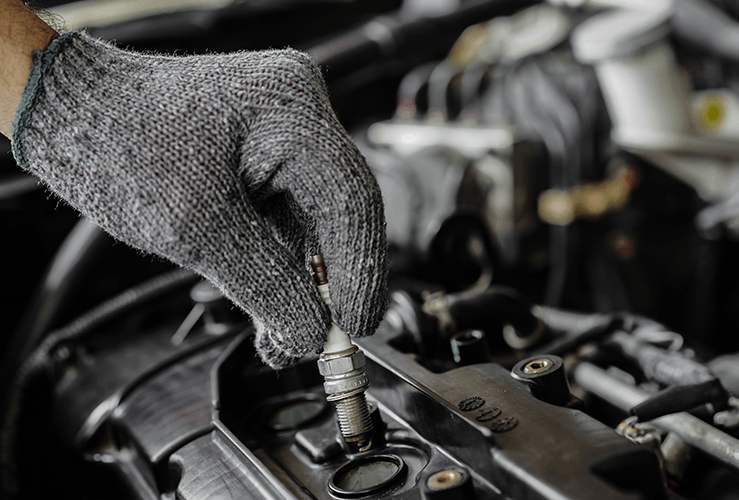
A better habit starts with noticing how the car feels during normal power demand. When you accelerate from a stop, merge onto a highway, or climb a slope, the engine and drivetrain reveal more than they do while idling in a driveway. A slight hesitation under load may point toward spark, fuel delivery, air intake, or transmission response. None of those should be ignored because torque strain exposes weak spots early.
Engine health trends also remind owners that small choices build up. Repeated hard acceleration before the engine warms, overdue fluid changes, and cheap replacement parts can turn normal wear into early failure. One rough week will not ruin a vehicle, but repeated neglect creates a pattern the engine eventually reflects back to you.
Auto maintenance habits need to match real conditions
Auto maintenance habits fail when they treat every driver as the same driver. A person who makes five-minute trips across town every day puts different stress on a vehicle than someone who drives forty steady highway miles. Short trips can prevent fluids from reaching stable operating temperature, which leaves moisture and residue hanging around longer than they should.
Heavy traffic adds its own tax. The engine may run for an hour while the odometer barely moves, which means mileage alone undercounts actual stress. Brakes heat and cool, the transmission shifts often, and engine mounts absorb constant pulses. A calendar-based inspection can catch what mileage-based thinking misses.
Smart owners build service routines around use, not pride. A truck that tows on weekends needs more attention than a sedan doing mild errands. A compact car climbing steep roads every day deserves closer fluid checks than the same model living on flat streets. Maintenance should fit the life the vehicle actually lives.
The New Focus on Load, Heat, and Hidden Wear
A vehicle can look fine while working too hard beneath the surface. That is the uncomfortable truth many owners learn after a repair bill lands. Load and heat do not always announce themselves with noise. They can creep through fluids, seals, mounts, belts, hoses, and sensors until performance drops in ways that feel normal because the decline happened slowly.
Vehicle torque care begins before parts complain
Vehicle torque care starts with respecting the moments when a vehicle works hardest. Pulling away from a stop, carrying extra weight, towing, climbing grades, and passing at highway speed all demand clean power transfer. When one part in that chain weakens, other parts take on stress they were never meant to carry.
A common mistake is blaming the engine for every sluggish response. Sometimes the issue sits in the transmission, a worn mount, poor tire pressure, dirty sensors, or degraded fluid. The engine may produce power, but that power still has to travel through a system. Weak links waste it.
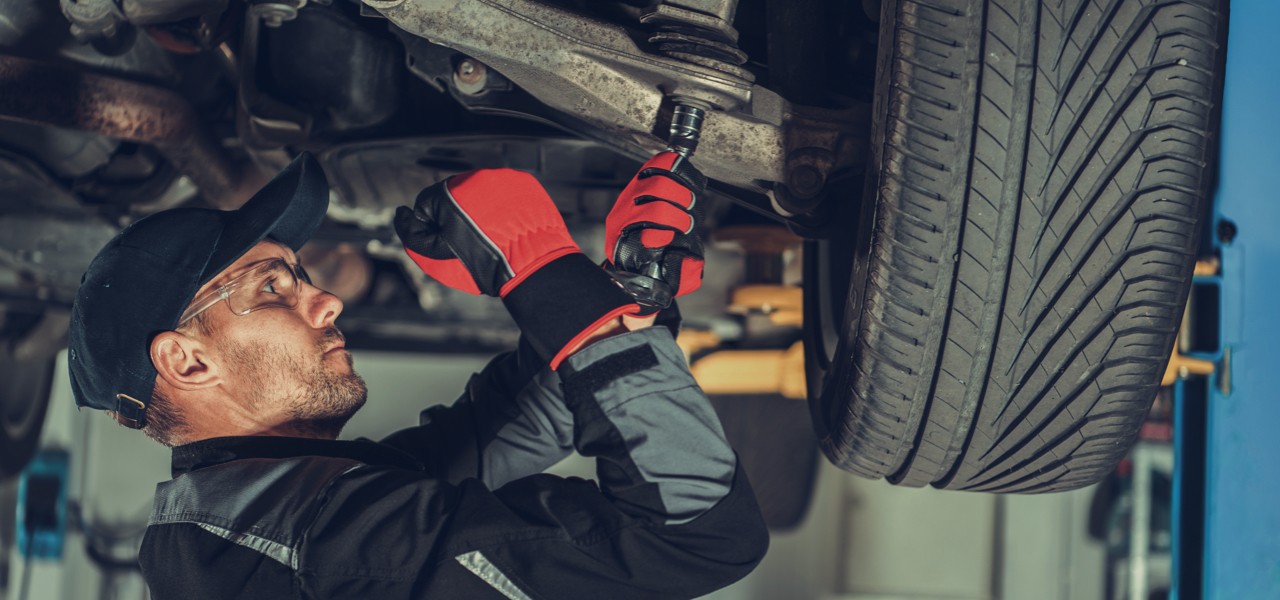
Vehicle torque care also benefits from periodic underbody checks. Loose mounts, worn bushings, and small leaks do not feel dramatic at first. Yet they affect how smoothly force moves through the vehicle. A car that feels “older” may not be worn out. It may be asking for attention in places owners rarely look.
Reliable driving routines protect parts under pressure
Reliable driving routines do not mean driving like every road is made of glass. They mean using power with timing and mechanical sympathy. Let the vehicle warm for a short period before demanding heavy acceleration. Ease into throttle when carrying extra weight. Avoid repeated aggressive starts that punish tires, mounts, and drivetrain parts at the same time.
One counterintuitive truth is that gentle neglect can be as damaging as obvious abuse. Drivers who never check fluids, ignore tire pressure, and delay inspections may believe they are easy on their cars because they drive calmly. Calm driving helps, but it cannot replace basic attention.
Reliable driving routines also include knowing when to back off. If the vehicle smells hot after a climb, hesitates while towing, or shifts harder than usual, keep pushing and you turn a clue into a repair. Mechanical patience costs nothing in the moment and can save a weekend later.
Smarter Inspections Are Replacing Guesswork
A good inspection no longer means a quick glance under the hood and a vague promise that everything looks fine. Owners want answers they can understand. Mechanics who explain wear patterns, fluid condition, driving impact, and next-step timing are becoming more valuable than shops that only react after something breaks.
Auto maintenance habits improve when records tell a story
Auto maintenance habits become stronger when owners track more than oil changes. Service records should show patterns: when fluids were replaced, when symptoms started, which parts wore early, what loads the vehicle carried, and whether problems returned after repair. That history turns guesswork into decision-making.
For example, a driver who replaces front brakes twice as often as expected may have a commuting pattern full of downhill stops, an aggressive driving habit, a caliper issue, or poor-quality parts. Without records, each brake job feels separate. With records, the pattern speaks.
A simple note in your phone can do more than a glovebox full of faded receipts. Write down unusual sounds, dates, weather, mileage, and driving conditions. “Rattle on cold start after rain” is more useful than “car sounds bad.” Details help a technician chase the right problem first.
Engine health trends favor early testing over late repair
Engine health trends are pushing owners toward testing before replacement. A scan tool, compression test, fluid analysis, charging system check, or smoke test can reveal causes that a quick parts swap misses. Throwing parts at a problem feels active, but it often wastes money.
Diagnostics matter most when symptoms appear under load. A vehicle may idle well yet struggle when torque demand rises. That gap can point toward fuel pressure, ignition weakness, airflow problems, sensor errors, or exhaust restriction. Replacing the loudest suspect first may miss the quiet cause.
Early testing also keeps trust intact between owner and mechanic. When a shop shows readings, explains limits, and connects the result to the symptom, the repair feels grounded. You are not buying hope. You are paying for a clearer answer.
The Ownership Mindset That Keeps Vehicles Strong Longer
The best owners are not the ones who know every technical term. They are the ones who pay attention early, act with consistency, and refuse to confuse silence with health. A quiet vehicle can still be aging in ways that matter, especially when it handles daily stress without complaint.
Vehicle torque care works best as a monthly habit
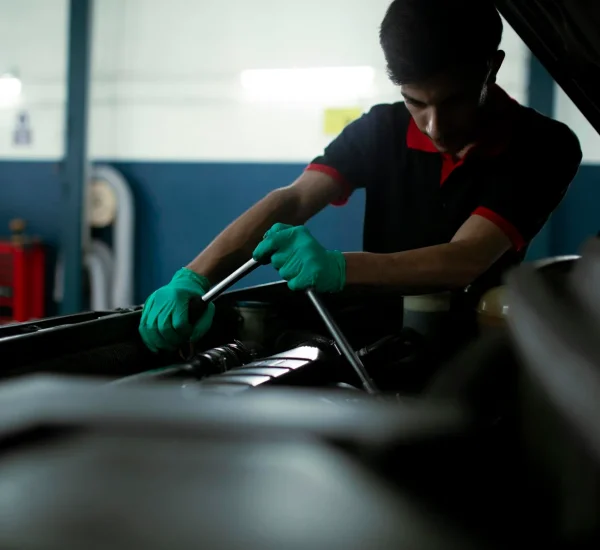
A monthly check sounds boring until it prevents a roadside problem. Look at tire pressure, fluid levels, belt condition, visible leaks, battery terminals, and the way the vehicle feels under normal acceleration. This does not require a lift, a tool chest, or a mechanic’s vocabulary. It requires ten focused minutes.
Vehicle torque care becomes easier when you pair checks with something already fixed in your schedule. Do it on the first fuel stop of the month or the weekend after payday. The exact date matters less than the rhythm. Cars reward rhythm.
A monthly habit also gives you confidence. You stop wondering whether every sound is a disaster because you know the baseline. When something changes, you catch it faster. That is the difference between ownership and reaction.
Reliable driving routines turn care into savings
Reliable driving routines create savings because they reduce repeated stress. Smooth acceleration, timely fluid service, correct tire pressure, and honest attention to warning signs all work together. None of them feels dramatic, but their effect compounds over years.
The hidden win is resale value. A vehicle with records, steady maintenance, and clean driving behavior carries a different story than one with mystery gaps. Buyers may not see every good choice you made, but a mechanic often can. Wear tells the truth.
The next step is simple: choose one inspection habit, one driving habit, and one recordkeeping habit you can maintain without drama. Iron Torque Care is not about treating your vehicle like a museum piece; it is about giving hard-working parts the respect they need before they force your hand. Start this month, stay consistent, and let prevention become the cheapest repair you ever make.
Frequently Asked Questions
What are the best Iron Torque Care tips for daily drivers?
Focus on smooth acceleration, regular fluid checks, correct tire pressure, and early attention to strange sounds under load. Daily drivers often face stop-and-go stress, so small habits matter. Track changes in performance instead of waiting for a warning light.
How do engine health trends affect older vehicles?
Older vehicles benefit from earlier inspections because wear builds in layers. Engine health trends now favor testing, records, and condition-based care instead of blind mileage rules. This helps owners catch weak parts before one failure creates a chain reaction.
Why do auto maintenance habits matter for torque performance?
Good auto maintenance habits protect the parts that transfer power from the engine to the road. Worn fluids, weak mounts, low tire pressure, and ignored sensors can all waste power. Consistent care helps the vehicle feel stronger and respond more smoothly.
What does vehicle torque care include during inspection?
A useful inspection checks fluids, mounts, belts, hoses, tire pressure, leaks, transmission response, and engine behavior under load. The goal is to see how power moves through the whole vehicle, not only whether the engine starts.
How can reliable driving routines prevent expensive repairs?
Reliable driving routines reduce shock, heat, and strain across major systems. Smooth throttle use, warm-up awareness, proper loading, and early response to warning signs help parts last longer. The savings come from avoiding stress before it becomes damage.
How often should auto owners check torque-related wear?
A monthly visual check works well for most owners, with deeper inspections during routine service. Vehicles used for towing, hills, rough roads, or heavy traffic need closer attention. Usage matters more than mileage alone.
Can poor engine care reduce fuel efficiency?
Poor engine care can reduce fuel efficiency by making the vehicle work harder for the same result. Dirty filters, weak ignition parts, old fluids, low tire pressure, and sensor issues can all increase fuel use. Small losses add up fast.
What is the first sign that torque delivery is weakening?
Sluggish acceleration under load is often the first clear sign. You may notice hesitation, rough shifting, vibration, or a feeling that the vehicle needs more throttle than before. That change deserves attention before it becomes a larger repair.