
A rough ride rarely starts as a dramatic failure. It usually begins with a faint pull, a tiny vibration through the steering wheel, a bolt that was tightened by feel instead of by spec, or a repair that seemed fine until the road started telling a different story. That is why Torque Care Changes matter more than many drivers think. Your vehicle depends on controlled force, not guesswork, and the difference between “tight enough” and “correctly secured” can shape comfort, safety, tire life, and long-term repair costs. Smart vehicle maintenance is not about obsessing over every nut and bracket; it is about knowing which small habits protect the parts that carry the most stress. Many daily drivers lose ride quality because owners chase big fixes while ignoring simple torque-related checks. Better rides come from discipline, not drama. When you treat fastening points, wheel hardware, suspension parts, and service intervals with respect, the vehicle feels more planted, quieter, and easier to trust. For readers who follow auto care updates through trusted publishing networks like automotive maintenance resources, the core lesson stays the same: comfort starts where force meets metal.
Why Torque Habits Shape Ride Quality
Ride comfort is not only about shocks, tires, or road surface. Those parts matter, but they work inside a system held together by fastening points that must stay at the right pressure under constant heat, load, and vibration. A wheel that was over-tightened, a suspension bolt that was disturbed during repair, or a bracket that loosened after months of rough roads can make a vehicle feel older than it is.
Daily driver maintenance starts with controlled tightening
Daily driver maintenance often gets reduced to oil changes and tire pressure, but torque discipline belongs in that same conversation. When a wheel nut is tightened unevenly, the brake rotor can sit under uneven stress. That may lead to pulsing during braking, steering vibration, or a ride that feels nervous at highway speed.
The surprise is that too much force can be as damaging as too little. Many owners assume a tighter fastener means a safer fastener, but metal does not reward brute strength. Threads stretch, studs weaken, and parts can clamp unevenly when someone leans on a wrench without checking the proper specification.
A practical example shows up after tire rotation. One shop tech may use an impact wrench for speed, while another follows with a torque wrench in the correct pattern. The second method takes longer, yet it protects the wheel, rotor, and hub from stress that the driver may otherwise feel later through the brake pedal.
Safer wheel torque checks after service visits
Safer wheel torque checks are not about doubting every repair shop. They are about recognizing that service work happens fast, humans get tired, and wheels carry consequences. Checking torque after a tire change, brake job, or seasonal swap gives you one extra layer of control over the part of the car that touches the road.
The best time to recheck wheel hardware is after the vehicle has been driven a short distance following service. Heat cycles and road vibration can settle parts into place. A second check confirms that the wheel still clamps evenly and that no lug nut was missed, crossed, or left below spec.
That small habit feels boring until it saves you from a bigger problem. A driver may notice a faint clicking sound after new tires, then discover one lug nut sitting loose before it damages the wheel seat. Boring checks prevent expensive stories.
Essential Torque Care Changes for Real-World Roads
The road does not care how clean your vehicle looks or how recently it was serviced. Potholes, speed bumps, gravel shoulders, heavy cargo, and sudden braking all test the same hidden points beneath the car. A good care routine must match the driving you actually do, not the calm version printed in a generic service checklist.
Suspension bolt care for smoother handling
Suspension bolt care matters because suspension parts do more than hold wheels in place. They control how the vehicle absorbs impact, tracks through corners, and returns to center after steering input. When a control arm, strut mount, sway bar link, or subframe point loses proper clamping force, the ride can become clunky or vague.
A common mistake happens after suspension repair. Parts get replaced, but final tightening happens while the vehicle hangs in the air. Some bushings need to settle at normal ride height before final torque, otherwise they sit twisted at rest and wear faster. That mistake can make new parts feel oddly harsh from day one.
Good mechanics know this, and good owners ask better questions because of it. After any suspension work, you can ask whether key bolts were torqued at ride height where required. That single question tells the shop you care about the result, not only the invoice.
Engine torque care and hidden vibration
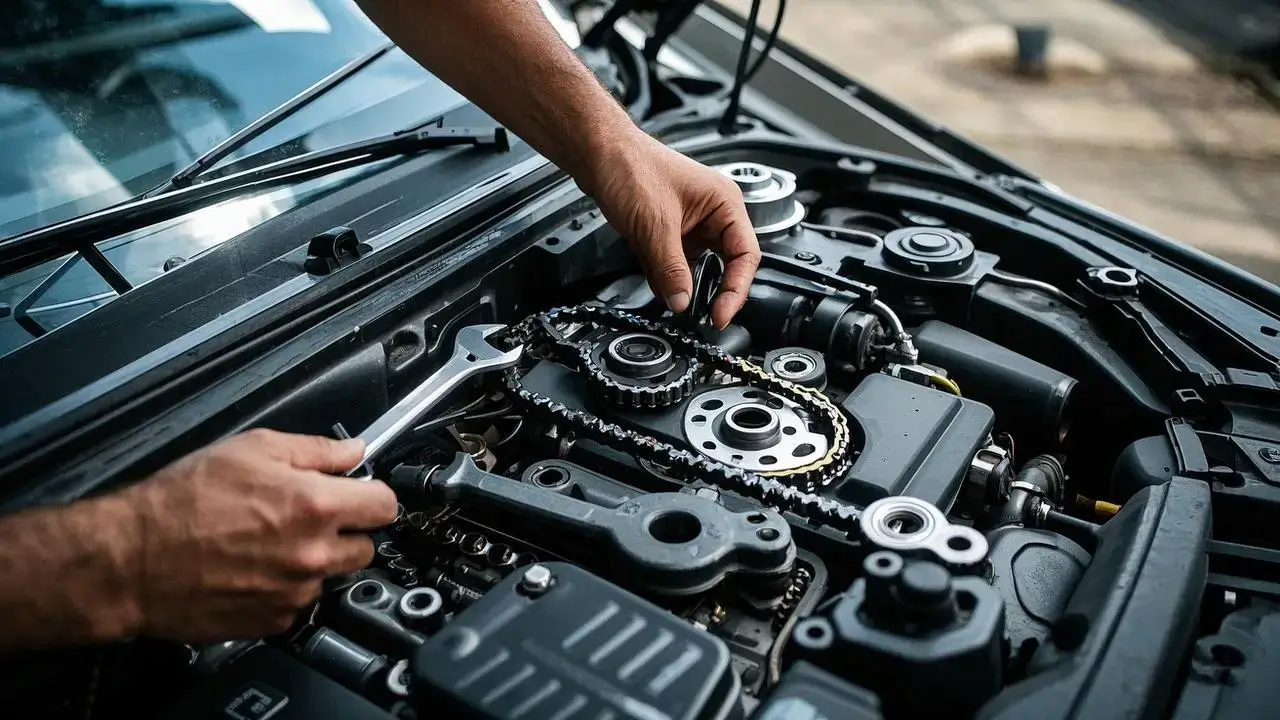
Engine torque care reaches beyond power output. The engine and transmission sit on mounts that absorb movement, and those mounts depend on correct fastening and alignment. When hardware loosens or gets tightened in the wrong sequence, vibration can travel into the cabin and make the whole vehicle feel tired.
This is where many drivers chase the wrong fix. They replace tires, balance wheels, and blame fuel quality, yet the roughness shows up when the engine loads at idle or shifts between gears. A mount bracket, exhaust hanger, or related fastener may be the quieter culprit.
One useful clue is when vibration changes with engine speed rather than road speed. Road-speed vibration often points toward tires, wheels, or driveline parts. Engine-speed vibration deserves a closer look at mounts, brackets, and fasteners that carry engine movement into the frame.
Building a Smarter Inspection Routine
A strong care routine does not mean crawling under the car every weekend with a flashlight and panic in your chest. It means choosing moments when torque-related problems are most likely to appear, then checking the right areas before they turn into noise, wear, or safety issues. Timing beats obsession.
Better ride performance depends on service timing
Better ride performance often comes from doing checks at the moments when parts have already been disturbed. After tire changes, brake work, suspension repair, alignment service, or engine mount replacement, fastening points deserve extra attention. Those are the moments when human hands changed the system.
The counterintuitive part is that a freshly serviced vehicle may need more observation than one that has been left alone. New parts settle. Wheels reseat. Bushings find their operating position. Heat and vibration reveal whether the repair was finished with care or rushed at the last step.
A simple owner routine can help. Listen during the first few drives after service, feel for steering shake, note brake pedal feedback, and check whether the vehicle tracks cleanly. You do not need to diagnose everything yourself; you need enough awareness to catch changes while they are still easy to correct.
Daily driver maintenance without overthinking it
Daily driver maintenance works best when it feels realistic. Most people will not inspect every torque point, and they do not need to. Focus on high-impact moments: wheel removal, brake service, suspension work, rough-road driving, towing, heavy loading, and any repair involving mounts or brackets.
A small log helps more than memory. Write down tire rotations, wheel torque checks, suspension repairs, brake jobs, and any new vibration or clunk. Patterns become clearer when they are written down. The vehicle may reveal that a sound appears after rough roads, after a service visit, or only when loaded with passengers.
This kind of tracking keeps you from throwing parts at symptoms. A driver who knows the noise began two days after a strut replacement can return to the shop with a focused concern. That conversation lands better than saying, “Something feels weird,” and hoping someone guesses correctly.
Preventing Small Mistakes from Becoming Expensive Repairs
The expensive failures usually arrive late. Before that, the vehicle whispers through small changes: a dull knock, uneven tire wear, a steering wheel that no longer sits calm, or a brake pedal that pulses under light pressure. Torque-aware ownership teaches you to respect those warnings without becoming anxious about every sound.
Safer wheel torque checks before long trips
Safer wheel torque checks make sense before highway travel, especially after recent wheel removal. Long trips combine heat, speed, load, and distance, so small fastening errors have less room to hide. A quick check before leaving can prevent a roadside problem that ruins far more than the drive.
This does not mean every driver needs professional tools at home, though a quality torque wrench is worth owning if you rotate tires or swap wheels yourself. The key is using the correct specification for your vehicle, following the proper tightening pattern, and avoiding the old habit of standing on a wrench until your confidence feels satisfied.
Confidence is not a measurement. Torque is.
A real-world example is the family car loaded for a weekend trip after new tires were installed. The owner checks the lug nuts the night before leaving and finds one slightly under spec. Nothing dramatic happened yet, but that small correction protects the wheel, brake rotor, passengers, and schedule.
Engine torque care during aging and repairs
Engine torque care becomes more important as vehicles age because rubber mounts, brackets, heat shields, and exhaust supports all live through years of heat and movement. When one part weakens, nearby fasteners often carry stress they were never meant to carry alone. That is when noises begin to travel.
Older vehicles can fool even attentive owners. A rattle that sounds like a loose dashboard may come from a heat shield under the car. A thud during gear changes may trace back to a mount or bracket. A harsh idle may feel like an engine problem when the engine itself is running fine.
The smartest move is to treat new vibration as a clue, not a verdict. Check the simple areas first, especially after work has been done nearby. A missing washer, loose bracket, or unevenly tightened mount can create symptoms that look much more serious than the actual fix.
Conclusion
A better ride is not built from one dramatic upgrade. It comes from small acts of respect toward the parts that hold your vehicle together under pressure. Tires, brakes, suspension, and engine mounts all depend on the same quiet principle: force must be controlled, checked, and applied with care. That is the heart of Torque Care Changes, and it is why a modest inspection habit can outperform a pile of expensive guesses.
Start with the areas most likely to affect comfort and safety. Pay attention after service work. Ask better questions when a shop handles wheels, brakes, suspension, or mounts. Keep notes when sounds or vibrations appear, because timing often exposes the real cause. Better rides belong to drivers who notice small changes early and act before the vehicle has to shout. Make your next maintenance step simple: check the last service that touched a load-bearing part, then confirm it was finished with the care your road life deserves.
Frequently Asked Questions
What are the best torque care changes for better rides?
Start with wheel torque checks after tire service, careful suspension inspections, and attention to engine or transmission mount hardware. These areas affect ride comfort, steering feel, braking smoothness, and vibration control more than many drivers expect.
How often should daily driver maintenance include torque checks?
Torque checks should happen after wheel removal, brake work, suspension repair, tire rotation, and long periods of rough-road driving. You do not need to check every fastener constantly, but any part recently disturbed during service deserves follow-up attention.
Why do safer wheel torque checks matter after tire rotation?
Wheel hardware can settle after short driving, especially after tire rotation or wheel replacement. A follow-up check confirms even clamping force, protects brake rotors from uneven stress, and reduces the risk of loosened lug nuts during normal driving.
Can suspension bolt care improve ride comfort?
Yes, suspension bolt care can improve comfort when it prevents loose, twisted, or unevenly tightened components. Control arms, strut mounts, sway bar links, and bushings all depend on proper fastening to absorb road impact and keep handling predictable.
What signs suggest engine torque care is needed?
Cabin vibration, thuds during shifting, rattles under load, or harsh idle can point toward mount or bracket issues. Engine-speed vibration is especially important because it may come from fastening points rather than tires or road-related parts.
Is better ride performance always linked to new parts?
No, better ride performance often comes from correcting small service details before buying parts. Proper wheel tightening, aligned suspension hardware, secure mounts, and clean repair practices can restore comfort without unnecessary replacements.
Should I buy a torque wrench for home vehicle care?
A torque wrench is worth owning if you rotate tires, change wheels, or handle basic repairs yourself. It helps you follow the vehicle’s correct specification instead of guessing by hand pressure, which can prevent damage from under-tightening or over-tightening.
What should I ask a mechanic after suspension work?
Ask whether the suspension bolts were tightened to specification and whether any bushing-related fasteners were finalized at normal ride height where needed. That question shows you care about long-term ride quality, not only the replaced part.